
A hysterectomy is surgery to remove the uterus. It may be considered when serious or long-lasting pelvic symptoms do not improve with safer or less invasive care. In the United States, this choice is usually made with an OB-GYN after tests, a diagnosis, and a talk about other options, risks, recovery, fertility goals, and whether the ovaries or cervix should stay. This article is for education only and is not medical advice. Talk with your healthcare professional about your own symptoms and choices.
You cannot know for sure from symptoms alone. But signs you need a hysterectomy can include heavy bleeding that affects daily life, pelvic pain that does not improve with treatment, pressure from large fibroids, uterine prolapse, some precancer changes, or cancer of the uterus, cervix, or ovaries. ACOG lists fibroids, abnormal uterine bleeding, endo, and other conditions as reasons uterus removal may be recommended. (acog.org)
If you are asking whether you should get a hysterectomy or how to know if you need one, start with a full OB-GYN visit. That may include a pelvic exam, ultrasound, lab work, Pap or HPV testing when needed, a uterine biopsy for some bleeding patterns, and review of past treatment. The goal is not quick surgery. It is to see what makes hysterectomy a good choice for your case.
When is a hysterectomy needed? Often after symptoms are severe, other treatments fail, or the diagnosis calls for a clear fix. For fibroids, ACOG notes that hysterectomy may be used when other options have not worked, are not possible, or the fibroids are very large. (acog.org)
Reasons to talk about hysterectomy with your OB-GYN include:
In daily language, full hysterectomy is often used loosely. Medically, a total hysterectomy removes the uterus and cervix, while a partial hysterectomy removes the uterus but leaves the cervix. Partial hysterectomy side effects can include the need for cervical cancer screening if the cervix remains, and a small chance of monthly spotting from cervical tissue.
Hysterectomy leaving ovaries is different from removing the ovaries. If your ovaries stay, they may keep making hormones, and you may still ovulate after a hysterectomy, although you will not bleed because the uterus is gone. ACOG notes that fallopian tube removal while keeping ovaries may be an option for some people who do not need ovary removal for cancer risk. (acog.org)
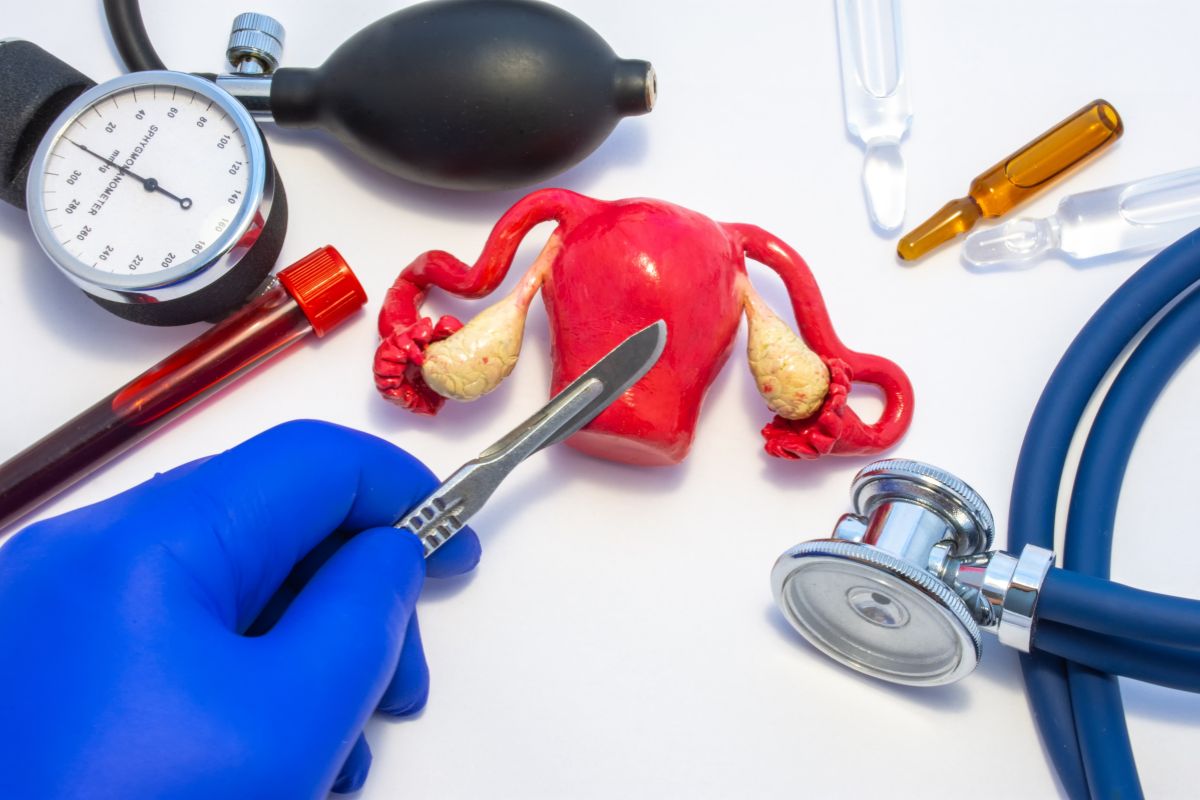
Yes. If the uterus is removed, menstrual bleeding stops because there is no uterine lining to shed. You cannot get pregnant after a hysterectomy, and you cannot have a true period without a uterus. People who keep their ovaries may still notice monthly hormone symptoms such as breast tenderness, mood changes, bloating, or period-like cramps.
That helps explain searches like feels like menstrual cramps but had hysterectomy. Mild cramping can happen during healing, from pelvic floor tension, bowel or bladder irritation, scar tissue, ovarian cysts, or ongoing endo. New, severe, one-sided, worse, or fever-linked pain should be reported right away.
Yes. A hysterectomy is major surgery, even when it is minimally invasive. ACOG notes that the route depends on things like uterus size, body shape, disease spread, other procedures, surgeon skill, and patient choice. Abdominal hysterectomy usually has a higher risk of problems and a longer recovery than vaginal or keyhole surgery. (acog.org)
Your OB-GYN may discuss vaginal, keyhole, robotic, or abdominal surgery. Keyhole hysterectomy recovery time is often shorter than abdominal recovery, but the safest route depends on your diagnosis and anatomy. Ask which approach is best, why, and what could change the plan during surgery.
Body changes after uterus removal vary. If ovaries remain, hormone changes may be mild, although Mayo Clinic notes menopause may come earlier for some people even when the ovaries are not removed. If both ovaries are removed before natural menopause, surgical menopause can cause hot flashes, vaginal dryness, sleep changes, and libido changes, and hormone therapy may be discussed. (mayoclinic.org)
Life after hysterectomy can also bring relief from bleeding, less pressure, or less pain, depending on the original problem. Still, emotional reactions are common, especially if fertility loss, cancer treatment, chronic pain, or sex concerns are involved. Bring these up before surgery, not after, so your care plan includes physical and emotional support.
Hysterectomy recovery time depends on the surgical route, your health, complications, work needs, and whether other procedures were done. ACOG advises avoiding anything in the vagina during early recovery, including tampons, douching, and vaginal sex, until your care team clears you. (acog.org)
A general recovery from hysterectomy week by week may look like this:
How long does it take to heal from a hysterectomy? Many people need several weeks for basic recovery, while deeper healing can take longer. What to expect 3 months after hysterectomy is often better stamina and fewer limits, but ongoing pelvic pain, bleeding, or painful sex should be checked.
How long after a hysterectomy can you have sex? Many U.S. OB-GYN practices use about six weeks as a common minimum for vaginal sex, but your surgeon's exam and instructions matter most. Mayo Clinic's robotic hysterectomy guidance also says to avoid vaginal sex until six weeks after surgery. (mayoclinic.org)
Can you get a hysterectomy while on your period? Often, being on your period does not cancel surgery, but the answer depends on bleeding level, pregnancy testing, anemia, diagnosis, and your surgeon's rules.
Before deciding, ask your OB-GYN:
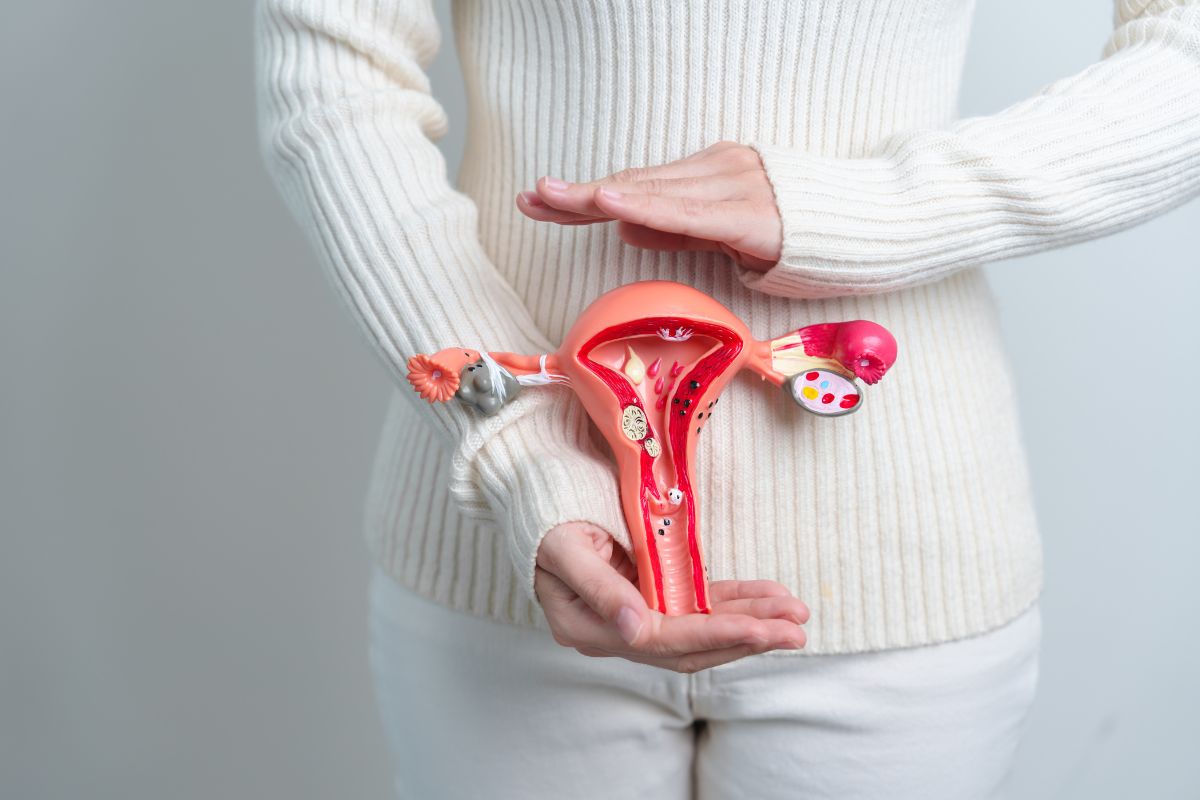
When should you have a hysterectomy? Consider it only after a clear diagnosis, a talk about alternatives, and an honest review of benefits, risks, recovery, and future fertility. If you notice signs you need a hysterectomy or are not sure why you would need one, schedule a visit with your OB-GYN and use shared decision-making to choose the safest next step for your body.
Short answer: Usually no. This article says hysterectomy is usually considered after evaluation, diagnosis, and a talk about safer or less invasive options. It may make more sense when symptoms are severe, other treatments have failed or are not appropriate, or when the diagnosis itself needs a clear fix, such as some cancers or precancer changes.
Short answer: Not always. Menopause is mainly tied to ovarian hormone production. If the ovaries stay in place, they may keep making hormones, and monthly hormone symptoms can still happen even though menstrual bleeding stops. If both ovaries are removed before natural menopause, surgical menopause can happen and may cause hot flashes, vaginal dryness, sleep changes, and libido changes.
Short answer: A total hysterectomy removes both the uterus and cervix. A partial hysterectomy removes the uterus but leaves the cervix. If the cervix remains, cervical cancer screening may still be needed, and there can be a small chance of monthly spotting from leftover cervical tissue.
Short answer: Call your care team right away for fever, heavy bleeding, worse pain, urinary problems, bad-smelling discharge, clots, new severe one-sided pain, or pain with fever. Ongoing pelvic pain, bleeding, or painful sex months after surgery should also be checked.

Heart health is crucial for overall well-being. Learn how to keep your heart healthy with these simple lifestyle changes, expert tips, and the latest medical advancements.

Dr. Helen Onoriode and her team at O. H. Women’s Health are committed to providing the highest quality healthcare through all phases of a woman’s life. Make an appointment with us today!