Uterine fibroids are common, non-cancerous growths that can cause discomfort and other symptoms. Understanding fibroid removal is crucial for those affected.
This guide explores the various methods available for removing fibroids from the uterus, including options for removing a fibroid from the uterus. It covers both surgical and non-surgical options.
Minimally invasive gynecologic surgery techniques are highlighted for their benefits in recovery and outcomes.
We also discuss what to expect before, during, and after surgery.
By the end, you'll be equipped to make informed decisions about your health.
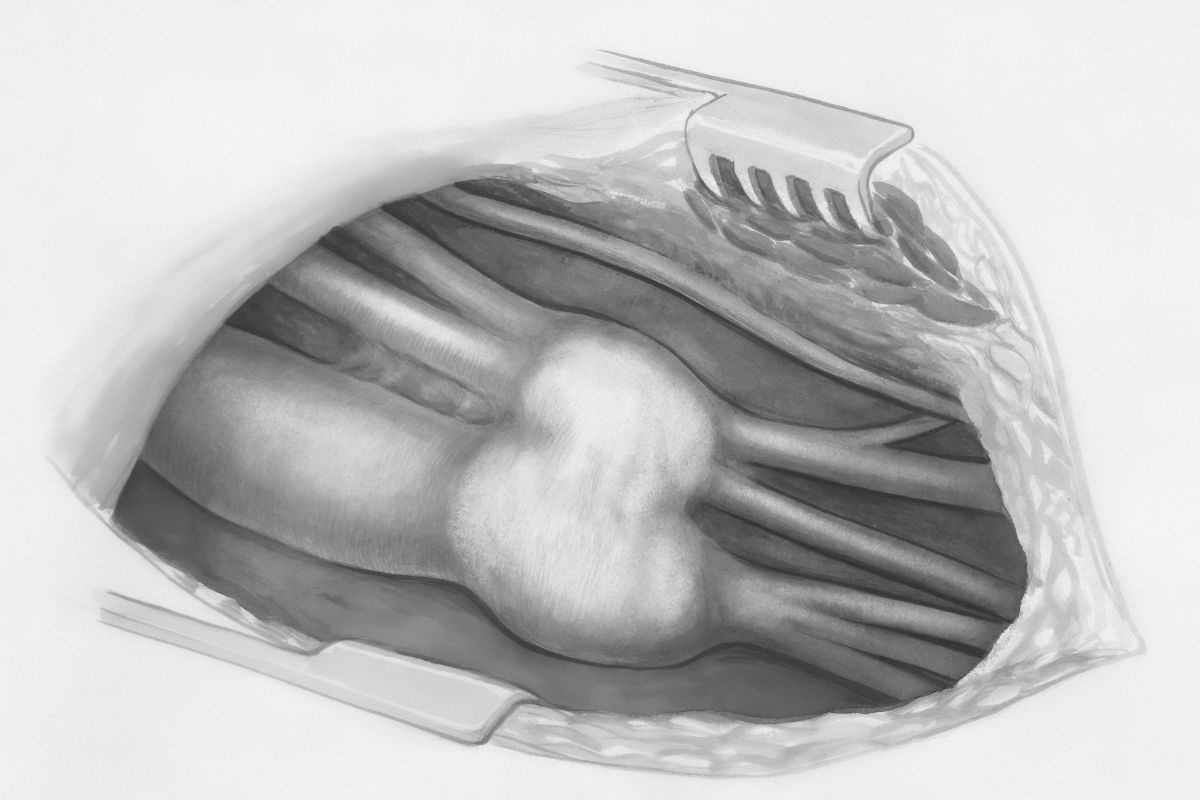
Uterine fibroids are non-cancerous tumors that form in or on the uterus. They vary in size, shape, and number. Despite being called tumors, they aren't cancerous.
These growths are composed mainly of muscle and fibrous tissue. Fibroids are also known as myomas or leiomyomas.
Some women may not experience any symptoms. However, fibroids can sometimes lead to discomfort or other complications.
Understanding fibroids helps in considering treatment options.
Fibroids can cause a range of symptoms. Some of the most common include heavy menstrual bleeding and pelvic pain. Women may also experience frequent urination or constipation.
If symptoms interfere with daily life, removal might be necessary. For instance, severe pain or abnormal bleeding can be debilitating. Persistent symptoms that don't respond to medication often lead to surgical options.
Addressing these issues with a healthcare provider is crucial. They can guide you through deciding whether to remove fibroids.
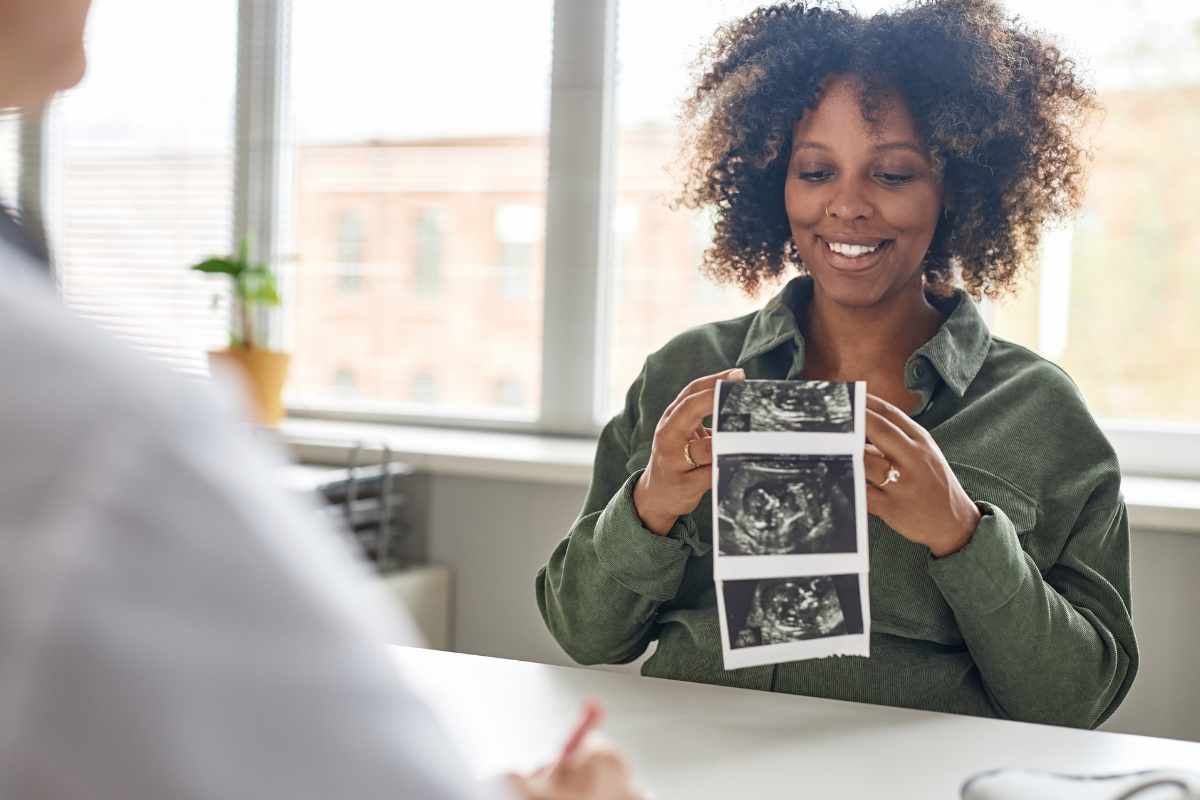
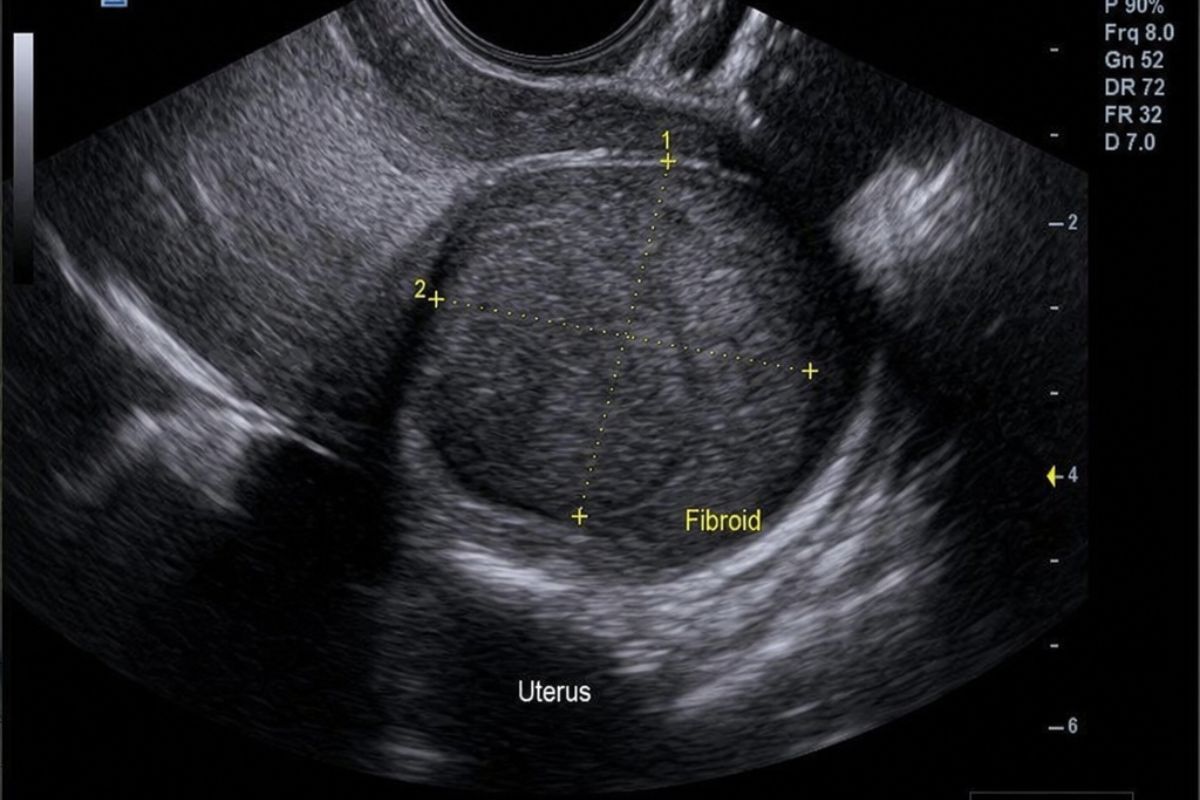
Detecting fibroids usually involves imaging tests. An ultrasound is the most common diagnostic tool. It provides a clear image of fibroid size and location.
In some cases, doctors use MRI scans. These are detailed and help in more complex diagnoses. MRIs offer insights that ultrasounds might miss.
Discussing symptoms with a healthcare provider is vital. This ensures appropriate testing and accurate diagnosis. Early detection can make treatment easier and more effective.
There are various treatments for uterine fibroids based on severity and symptoms. Some women can manage symptoms with medications or hormonal treatments. These may help reduce bleeding and shrink fibroids.
For more severe cases, surgery might be necessary. Surgical options range from minimally invasive techniques to more extensive procedures. It's important to discuss all options with a healthcare provider.
Choosing the right treatment depends on factors like age, health, and personal preferences. Understanding all available options is crucial for making informed decisions. Many people search "endometrial ablation near me" to compare local clinics and discuss candidacy; note that ablation primarily treats bleeding and may not address all fibroid types.
Non-surgical treatments are often the first line of defense. Medications can manage symptoms, providing relief without surgery. Hormonal treatments work by regulating menstrual cycles and reducing bleeding.
Lifestyle changes may also help. Maintaining a healthy weight and diet can reduce fibroid symptoms. Always consult a doctor before starting any new treatment.
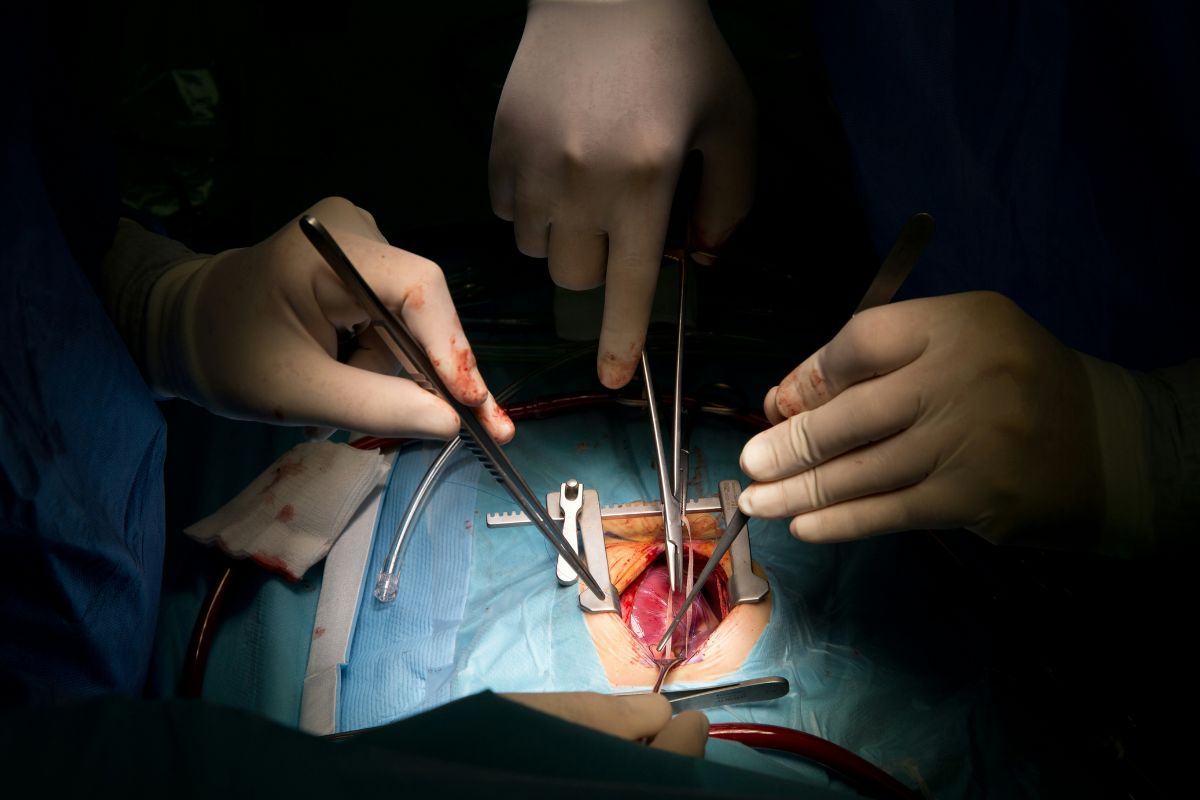
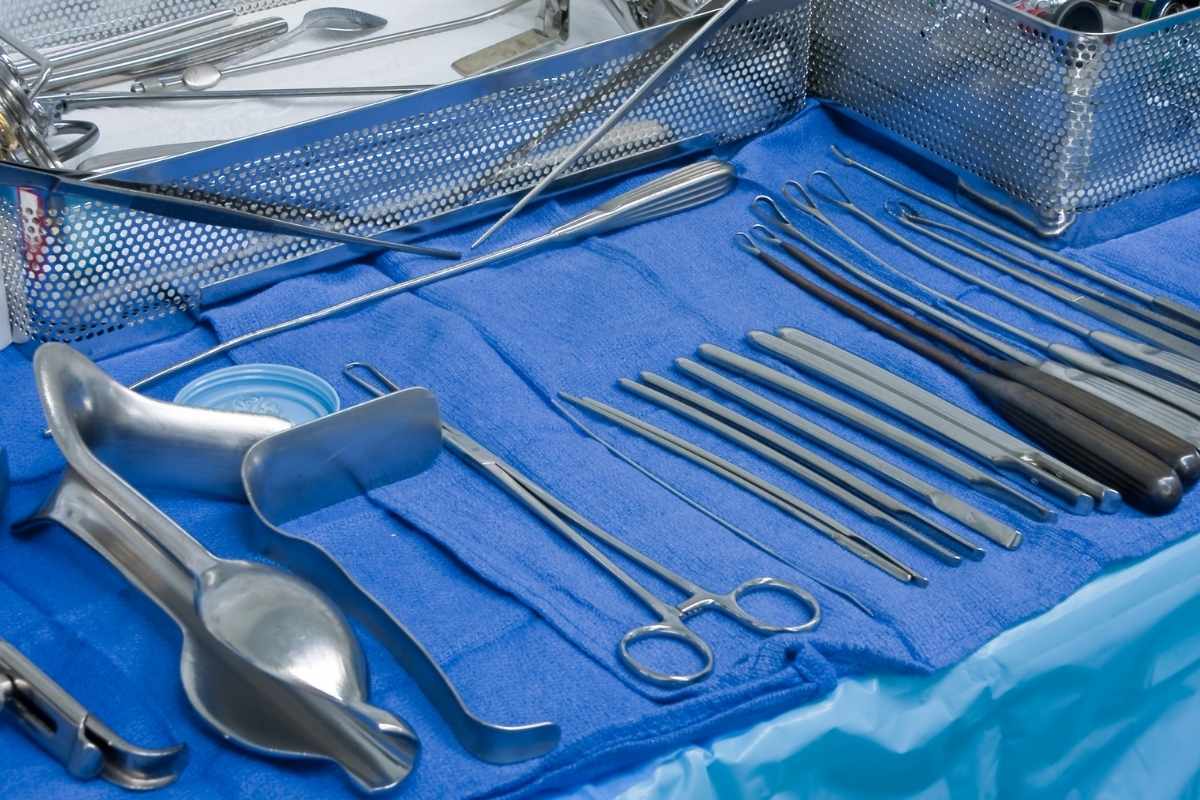
When symptoms persist, surgery may be needed. Several surgical methods are effective for fibroid removal. Minimally invasive techniques often lead to quicker recovery. These approaches are commonly used to remove fibroid tumors while preserving as much healthy uterine tissue as possible.
Each procedure has its own benefits and risks. Discussing these with a healthcare professional can guide you in choosing the best option. Myomectomy: Preserving the Uterus
Myomectomy is a preferred choice for women who want to maintain fertility. It removes fibroids while leaving the uterus intact. This makes it ideal for women who wish to have children in the future.
Recovery time can vary, but many experience improved symptoms. It's crucial to follow post-operative care instructions for optimal healing. Hysterectomy: Removing the Uterus
A hysterectomy is a definitive solution for fibroids. It involves the complete removal of the uterus, making it effective in preventing fibroid recurrence. This option is considered when other treatments aren't successful.
While it ends menstrual cycles, it also removes the possibility of pregnancy. It's essential to consider both short-term and long-term impacts before proceeding.
Advancements in surgical methods have led to less invasive options for fibroid removal. Minimally invasive gynecologic surgery techniques reduce recovery times and scarring. These methods include laparoscopic and robotic-assisted procedures.
These surgeries often involve small incisions. They offer precision and a quicker return to daily activities. Patients typically experience less pain and fewer complications. It's essential to discuss these options with a gynecologist to determine suitability.
Minimally invasive techniques can result in an effective treatment with a smoother recovery. Always weigh the benefits and risks with your healthcare provider.
by Adrian Sulyok (https://unsplash.com/@sulyok_imaging)
Laparoscopic surgery uses tiny incisions and specialized tools. It's less taxing on the body and often results in a faster recovery. Robotic-assisted procedures offer enhanced precision, which can be vital for complex cases. Similar techniques are used in endometriosis laparoscopic surgery, so some preparation and recovery tips overlap.
Both techniques minimize physical stress. Discussing the advantages of these procedures with a surgeon will help align them with your health needs.
Hysteroscopic myomectomy is an incision-free procedure. It removes fibroids using instruments inserted through the vagina. This method targets fibroids inside the uterine cavity.
It's ideal for treating specific types of fibroids with minimal recovery time. Consulting with a specialist will help you decide if this method suits your situation.
Preparation is key to a smooth surgical experience. Understanding each step can help reduce anxiety and stress. Begin by scheduling a pre-surgery consultation with your surgeon.
Discuss your medical history and any medications you're taking. Your doctor may request imaging tests or blood work. This ensures that they have all necessary information for a successful procedure.
Plan for recovery by arranging for assistance at home. Clearing your schedule and gathering needed supplies can ease your transition after surgery. Communication with your healthcare provider is crucial throughout this process.
Arriving early at the medical facility is important. You'll have time for any last-minute checks. Expect to meet with the surgical team. They will explain the procedure and answer your questions.
Afterward, you'll be prepped for surgery. This involves changing into a hospital gown and removing personal items. Remember to stay calm and focus on your recovery goals.
Recovery time after fibroid removal varies by procedure type. Minimally invasive surgeries generally offer faster recovery. You might experience some discomfort, but this improves gradually.
Ensuring proper rest and following medical advice is crucial. Keep your follow-up appointments for smooth healing. Your doctor will discuss activity limitations and when to resume regular activities.
You should watch for any signs of complications like excessive bleeding or infection. A balanced diet and staying hydrated aids recovery.
Gas pain is common after laparoscopic surgery. Movement helps alleviate it. Taking gentle walks increases circulation and relieves discomfort.
Try specific exercises to target abdominal muscles. These can also aid in expelling trapped gas. Drinking warm liquids might assist as well.
Recovery from laparoscopic hernia surgery resembles fibroid removal recovery. Most people return to normal activities within two weeks. Listen to your body and avoid strenuous tasks initially.
Follow your doctor's guidelines closely to ensure proper healing. Returning to routine too soon can delay recovery. Rest is key to a healthy healing process.
Pain management is crucial post-surgery. Over-the-counter medications may suffice for mild pain. In some cases, your doctor might prescribe stronger pain relievers.
Be vigilant about any unusual symptoms. Keep an eye out for fever, increased pain, or any sign of infection. Early detection of complications ensures prompt treatment.
Fibroid removal can impact fertility positively, especially for those who opted for a myomectomy. This procedure preserves the uterus, often enhancing chances of conception. For some, fibroids can complicate pregnancies, so their removal might improve outcomes.
Post-surgery menstrual changes are common, including lighter periods. These changes can also bring relief from previous excessive bleeding and pelvic pain. Discuss with your doctor if you notice significant menstrual irregularities.
Maintaining a long-term outlook involves lifestyle adaptations to prevent fibroid recurrence. Consider weight management and a balanced diet as part of ongoing care. Regular medical checkups ensure that fibroids, if they recur, are promptly treated.
Fibroid removal is a common yet complex procedure, so many patients have questions. Addressing concerns beforehand can ease anxiety and aid informed decisions.
Common questions often focus on recovery time, risks, and the expected improvements in symptoms post-surgery. It's crucial to have these inquiries answered by your healthcare provider for clarity and confidence.
Choosing the right gynecologic surgeon is vital for successful fibroid removal. A skilled surgeon can enhance outcomes and alleviate concerns.
Seek recommendations and research potential surgeons. Consider expertise, patient reviews, and the range of procedures offered. Emotional support, such as counseling or support groups, is also beneficial.
Removing a fibroid from the uterus is a personal health decision. Understand all options, including potential benefits and risks, to make the best choice.
Discussing choices with a healthcare provider is key. This ensures you align the procedure with your health goals and lifestyle needs.
Question: When should I consider having a fibroid removed?
Short answer: Consider removal if symptoms significantly affect your quality of life—such as heavy menstrual bleeding, severe pelvic pain, frequent urination, or constipation—and especially if these symptoms don’t improve with medications. A healthcare provider can help you weigh persistence and severity of symptoms, your overall health, and your goals (including fertility) to decide if and when removal makes sense.
Question: How are fibroids diagnosed, and why might I need an MRI if I already had an ultrasound?
Short answer: Pelvic ultrasound is the most common first test because it shows fibroid size and location. An MRI may be used for more complex cases where additional detail is needed, offering information an ultrasound might miss. Blood tests can also help rule out other conditions. Discussing your symptoms ensures you get the most appropriate imaging.
Question: What are my main treatment options, and how do I choose among them?
Short answer: Options range from non-surgical approaches—like medications, hormonal therapy, uterine artery embolization, and endometrial ablation—to surgical procedures such as myomectomy, hysterectomy, and hysteroscopic myomectomy. The right choice depends on symptom severity, fibroid characteristics, age, overall health, and whether you want to preserve fertility. Note that endometrial ablation primarily treats bleeding and may not address all fibroid types. A detailed discussion with your healthcare provider will help align treatment with your goals.
Question: What’s the difference between myomectomy, hysterectomy, and hysteroscopic myomectomy?
Short answer: Myomectomy removes fibroids while preserving the uterus, making it a good option for those who wish to maintain fertility. Hysteroscopic myomectomy is an incision-free form of myomectomy performed through the vagina to remove fibroids located inside the uterine cavity. Hysterectomy removes the uterus entirely, eliminating menstrual cycles and preventing fibroid recurrence; it’s typically considered when other treatments aren’t successful or fertility is not a goal.
Question: What should I expect around surgery and recovery, and how can I manage gas pain after laparoscopy?
Short answer: Before surgery, you’ll meet with your surgeon, review your medical history, and complete any requested imaging and blood tests; arranging help at home aids recovery. On surgery day, arrive early, meet the team, and complete prep. Recovery time varies by procedure—minimally invasive techniques often allow faster return to activities. Follow all post-op instructions, attend follow-ups, eat a balanced diet, and watch for signs of complications like excessive bleeding, fever, or increasing pain. After laparoscopic procedures, walking, gentle abdominal exercises, and warm liquids can help expel gas and ease discomfort.

Heart health is crucial for overall well-being. Learn how to keep your heart healthy with these simple lifestyle changes, expert tips, and the latest medical advancements.

Dr. Helen Onoriode and her team at O. H. Women’s Health are committed to providing the highest quality healthcare through all phases of a woman’s life. Make an appointment with us today!