
Gynecologic surgery is a key part of women's health. It treats many problems in the female reproductive system. Some procedures are simple. Others are more complex.
Knowing the basics of gynecologic surgery can help patients make smart choices. It can also lower fear and set clear expectations.
Minimally invasive gynecologic surgery has changed care for many patients. It can mean faster recovery and less scarring. Many people ask about healing time and the size of a laparoscopic gynecologic surgery scar.
Choosing the right surgeon matters. A skilled doctor can explain the plan, answer questions, and guide care.
This guide covers common types, benefits, and recovery steps.
Gynecologic surgery covers many procedures. They treat the female reproductive organs. The goal is to find or fix health problems.
Some surgeries treat non-cancer issues. Others treat cancer in the reproductive organs.
Common reasons for surgery include fibroids, endometriosis, and ovarian cysts. Some people also need help with cancer care or pelvic floor problems. These procedures can ease pain and improve daily life.
Common types include:
New tools have improved gynecologic surgery. They help surgeons work with more precision and better results.
Gynecologic surgery includes many procedures that treat health problems in the reproductive system. Each one has a clear goal. The right choice depends on the condition and the patient.
Hysterectomy removes the uterus. Doctors may use it for cancer or severe fibroids. The approach can vary based on health and past surgery.
Laparoscopy uses small cuts and a camera. It is a small-cut method used for diagnosis and for some cysts. It can lower recovery time and scarring.
Myomectomy is a fibroid removal surgery. It takes out fibroids and keeps the uterus in place. Many patients choose it when they want to keep fertility.
Pelvic surgery can also treat pelvic floor problems. These include pelvic organ prolapse and urine leakage. It may help the pelvic organs work better.
Oophorectomy removes one or both ovaries. Doctors may use it for ovarian cancer or other serious problems.
Each gynecologic surgery plan is custom. Doctors aim to treat the problem, keep the patient safe, and support a good result.

Minimally invasive gynecologic surgery has changed care for many people. It uses small cuts, not large open surgery. That often means less pain, less scarring, and faster healing.
Doctors may use scopes, cameras, and robots. Small cuts help the surgeon reach the area with more control. This can improve accuracy and lower tissue damage.
Common problems treated this way include fibroids, endometriosis, and ovarian cysts. Many patients have less pain after surgery and shorter hospital stays. They can often return to daily life sooner.
Common options include:
Ask your doctor if this fit is right for you. Your health, the problem, and the risks all matter.
Fibroids are non-cancer lumps in the uterus. They can cause heavy bleeding, pain, and pressure. Fibroid removal may help when symptoms get in the way of daily life.
Myomectomy is a common fibroid removal surgery. It takes out fibroids and keeps the uterus. It is often a good choice for people who want future pregnancy. Recovery is often faster when doctors use small cuts.
Hysterectomy removes the whole uterus. Doctors may suggest it for severe fibroids. It stops future fibroids, but it also ends fertility.
There are also non-surgery options. Some use medicine. Others use procedures like uterine artery block. This method lowers blood flow to the fibroids so they shrink. Recovery time depends on the treatment.
Common fibroid removal choices include:
Your plan should match your needs. A specialist can help you choose the best option.
Pelvic surgery treats problems in the pelvic area. These include pelvic organ prolapse, endometriosis, and ovarian cysts. Surgery can ease pain and improve daily life.
There are different surgery styles. Open surgery uses larger cuts. Minimally invasive surgery uses smaller ones. That choice changes healing time and scar size.
Common pelvic surgery procedures include:
The choice depends on the person's health and how severe the problem is. New tools, including robotics, can improve precision and results. Patients should talk through all options with their surgeon.
After surgery, many people feel less pain and pressure. Good follow-up care and checkups support healing. A clear care plan can also address new concerns.
Laparoscopic surgery is a common choice for people who want less scarring. It uses small cuts, so the marks are often small and fade with time. That can help patients feel better about the result.
Recovery is often faster and less painful. Many people return to normal activities sooner than after open surgery. This can make the whole experience easier.
Key recovery benefits include:
Every person's recovery is different. Follow your surgeon's plan for the best result. Regular checkups help catch problems early.
Learning about a laparoscopic gynecologic surgery scar and how it heals can make the process feel less stressful.
Good preparation helps gynecologic surgery go well. Knowing what will happen can lower fear and improve results. Follow all pre-surgery steps closely.
Talk with your surgeon about the plan. Ask clear questions when something is not clear. Being well informed can help you feel more in control.
A simple checklist can help:
Mental prep can help too. Try deep breathing or meditation. Trust your care team and your own prep work.
After gynecologic surgery, recovery matters as much as the surgery itself. Early healing often means rest and less activity. Follow post-op instructions closely for a smooth recovery.
Pain control is often a main focus at first. Your care team may give medicine to help with discomfort. Stay in touch if you have concerns.
Follow-up visits are very important. They let the doctor check healing and spot issues early. Do not skip these visits.
You may need to change some habits for a short time. Your doctor may say no heavy lifting or hard exercise. A quick recovery checklist:
These steps can support healing and help you get back to normal life with more confidence.
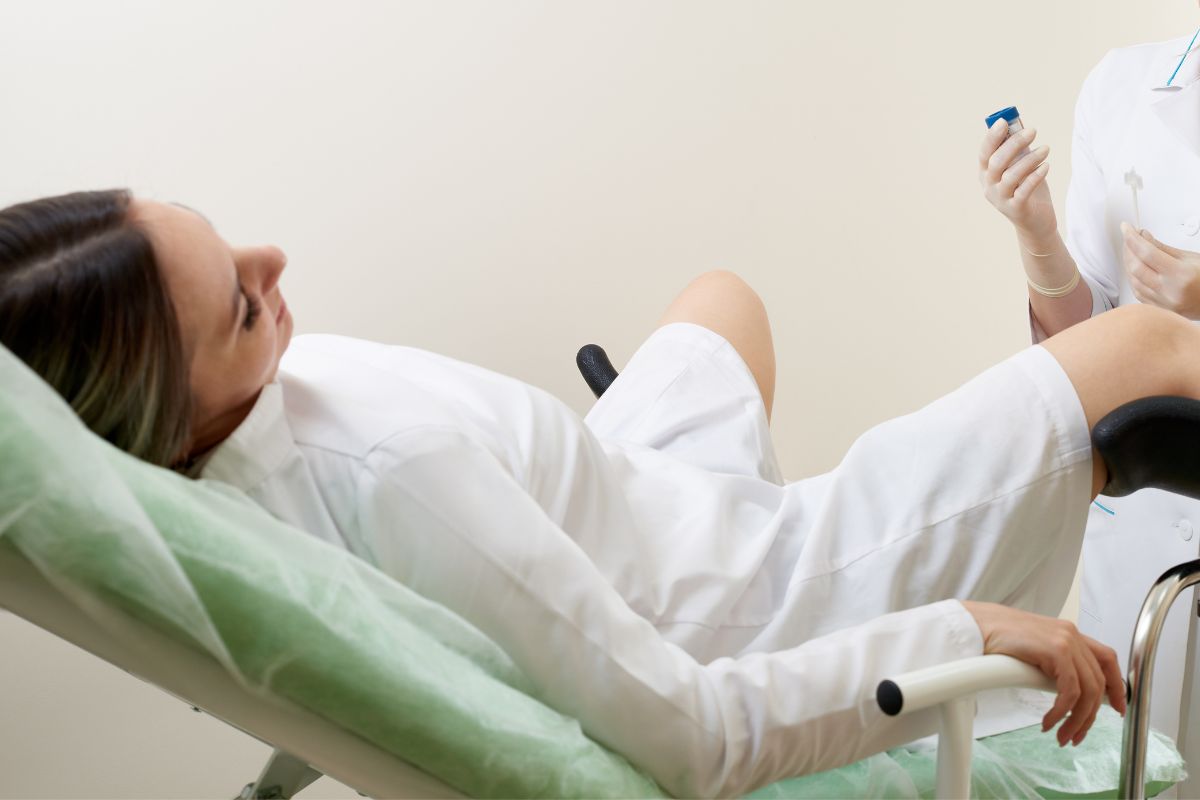
Choosing the right gynecologic surgeon matters for your health and peace of mind. Start by looking for local specialists who know the procedure you need. Read reviews and check their track record.
Meeting more than one surgeon can help. Ask about experience, success rates, and treatment style. This can help you make a smart choice.
When you compare doctors, look at:
If you search for gynecologic surgery near me or fibroid removal near me, use that list to compare care, not just location. Ask whether they offer minimally invasive gynecologic surgery when it may fit your needs.
Patients often have many questions before surgery. Clear answers can lower fear and build trust. Common topics include the procedure, recovery time, and risk.
Questions patients ask often:
Each question matters. Talk with your surgeon about any concern that relates to your health. Asking questions can make you feel more ready for surgery.
Starting a gynecologic health journey can feel hard. But learning your choices and the surgery process can help. Good information leads to better decisions.
Work closely with your care team. Their skill and support can guide each step. Seek clear answers when you need them and share your concerns openly.
With prep and confidence, gynecologic surgery can improve quality of life. Trust the process and the care plan that fits you best. Your health choices matter.
Short answer: Gynecologic surgery covers procedures for the female reproductive system. Doctors use it to find or treat problems like fibroids, endometriosis, ovarian cysts, pelvic floor issues, and cancers of the reproductive organs. The goal is to ease symptoms, improve quality of life, and treat cancer when needed.
Short answer: These surgeries use small cuts and tools like scopes, cameras, and sometimes robots. Common choices include laparoscopy, hysteroscopy, and robotic-assisted surgery. They often mean less pain, shorter hospital stays, faster recovery, and smaller scars than open surgery. Ask your doctor if the fit is right for you.
Short answer: Fibroid care depends on size, location, and symptoms. Myomectomy removes fibroids and keeps the uterus, which can help when future pregnancy matters. Hysterectomy removes the uterus and ends future fibroids. Medicine or uterine artery block may also help by shrinking fibroids. A specialist can help match the plan to your goals.
Short answer: Expect rest, less activity, and pain care at first. Follow all post-op directions, keep follow-up visits, and avoid heavy lifting or hard exercise if your doctor says to. Recovery is often faster after small-cut surgery. A medicine schedule, a balanced diet, and quick updates about concerns can help you heal well.
Short answer: Start with local specialists who know the procedure you need. Check board certification, hospital ties, and access to advanced tools. If you search for gynecologic surgery near me or fibroid removal near me, compare training and care, not just location. Ask about experience, success rates, and treatment style before you decide.

Heart health is crucial for overall well-being. Learn how to keep your heart healthy with these simple lifestyle changes, expert tips, and the latest medical advancements.

Dr. Helen Onoriode and her team at O. H. Women’s Health are committed to providing the highest quality healthcare through all phases of a woman’s life. Make an appointment with us today!