
Gynecologic surgery specialists are an essential part of women’s healthcare. Their main focus is on performing surgeries of the female reproductive system. There are many different types of situations in which a gynecologic surgery specialist would perform an operation, including the removal of fibroid tumors in order to alleviate the symptoms that they are causing.
Some of the situations that gynecologic surgery specialists treat include endometriosis and many more. The health of a woman can be greatly improved by the expertise of her gynecologic surgery specialist. In addition to the typical forms of surgery, there are also many different types of minimally invasive gynecology surgeries, including fibroid removal.
Gynecologic surgery using minimally invasive techniques is becoming more popular. There are many advantages to these kinds of procedures. Recovery time is often reduced and there is less scarring. This type of gynecologic surgery is changing quickly. There are many different specialists who can help perform a variety of procedures.
Choosing the right gynecologic surgery specialist is very important because the surgeon’s skills play a large role in the success of the patient’s surgery. Women should be confident in their choice of a specialist in order to have the best possible experience.
There are many very skilled and up-to-date specialists in the DFW area. Many of these surgeons are on the leading edge of women’s healthcare using the latest techniques to treat a variety of gynecologic conditions. If you are looking for a good, experienced, minimally invasive gynecologic surgery specialist (DFW area), then make sure to find one who has the best approach to providing the highest quality of care for each of his or her patients.
A Gynecologic Surgery Specialist is a highly trained surgeon who specializes in the female reproductive system. Gynecologic Surgery Specialists diagnose and treat many different health conditions in women.
They can perform many different types of surgeries to help treat health conditions and to help relieve symptoms that affect women’s reproductive health. Gynecologic Surgery Specialists are very skilled at using both traditional and minimally invasive methods of surgery to treat conditions such as fibroid tumors and ovarian cysts.
Many women need to have surgery to treat health conditions that affect their reproductive health. A Gynecologic Surgery Specialist can perform a surgery to help treat a health condition and help improve a woman’s quality of life.
Women benefit from the knowledge and care that Gynecologic Surgery Specialists can provide for the many different health conditions that affect women’s reproductive health. Gynecologic Surgery Specialists are able to make an accurate diagnosis and perform a successful surgery to treat a woman’s health condition.
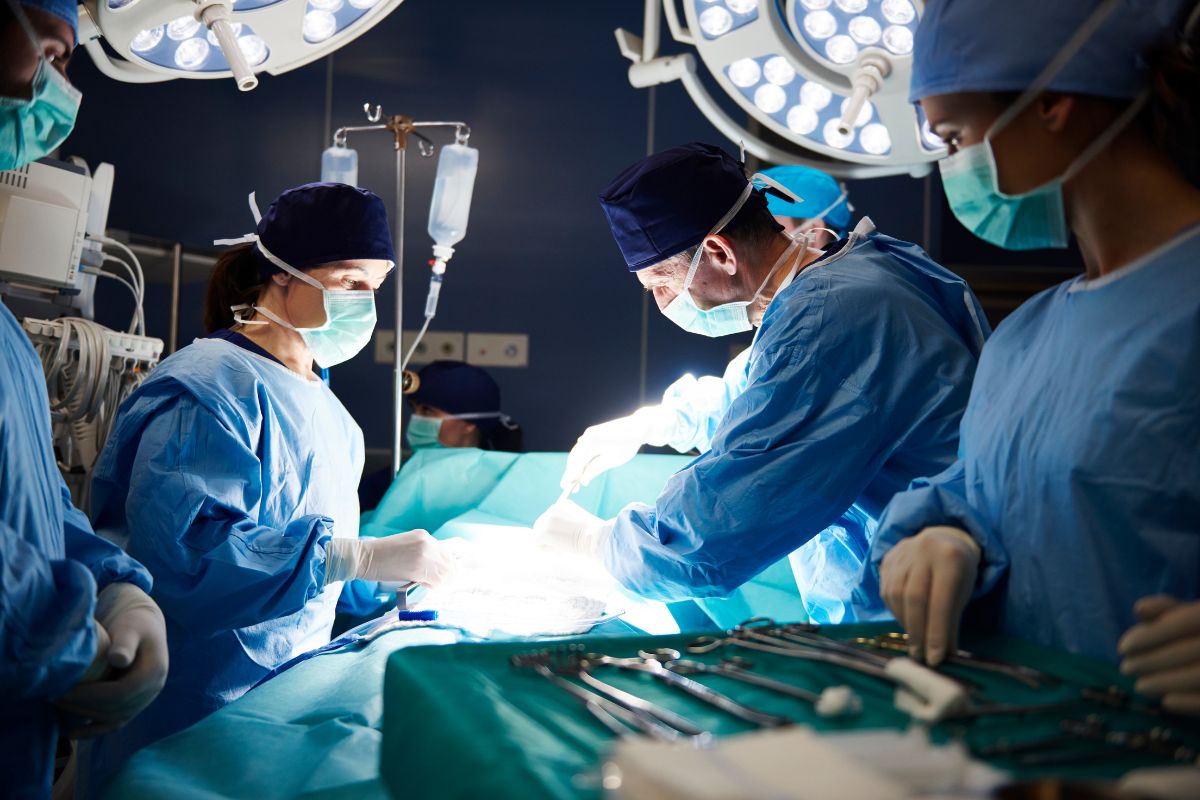
Women’s surgical specialists can treat a wide variety of issues in women’s reproductive health. They can give an accurate diagnosis for a variety of conditions that require surgery and can provide the best possible care for each patient.
Fibroid tumors, endometriosis, and ovarian cysts are some of the most common conditions treated by women’s health care specialists. These conditions can cause a great deal of pain and discomfort for women and can severely affect a woman’s quality of life.
Many of these conditions can be treated with gynecologic surgery that will help to ease their pain and reduce their symptoms. Some conditions can be treated in a number of different ways, depending on the severity of the condition.
Women’s health care specialists are able to give complete care to their patients. While their main focus is on surgery that can treat problems of the reproductive system, many also treat a variety of other health problems with non-surgical methods. They also educate their patients on the different methods of treatment and can help them through the process. Women’s health care specialists play a large role in the health care of women and are able to provide a great deal of relief for women with a variety of different health problems.
The word fibroid often brings cancer to people’s minds. But the fact is that fibroids are growths in the uterus that are non-cancerous. Many women grow fibroids at some point in their lives and never even realize it. But the symptoms can be varied and even severe for some women.
The three most common symptoms of fibroids are heavy menstrual bleeding, pelvic pain, and frequent urination. But not all women will experience any of these symptoms. Early diagnosis of fibroids is crucial to their effective management.
Ultrasound and MRI are the two most common types of imaging tests that can diagnose fibroids and show their size and location. The results of these tests will help your doctor choose the best course of treatment for you.
Treatment for fibroids can include a number of different options. There are many different types of medication that can be used to treat the symptoms of fibroids, as well as a number of different lifestyle changes. In some cases, even when symptoms do present themselves, the only treatment that may be required is surgical removal of the fibroids. This can be a relatively simple procedure and is very effective for many women. Other options for fibroid removal and treatment include monitoring for symptoms and using a number of different minimally invasive procedures to remove the growths. By choosing the best option for you, your doctor can help relieve your symptoms and get you back to living your life as normal. If your symptoms are persistent, your doctor may recommend gynecologic surgery to remove the fibroids.
Surgery to remove fibroids, also known as myomectomy, can help relieve symptoms of fibroids and improve quality of life while fibroids are present. Myomectomy can be performed using a number of different techniques, and the best technique to use will depend on the size of the fibroids, their location, and the patient’s preferences. Patients considering fibroid removal should speak with a gynecologic surgeon to determine the best course of action.
The type of procedure that is best for a given patient will depend on a number of factors, including the number and size of the fibroids as well as the patient’s overall health. In general, the least invasive methods of fibroid removal are preferred because they have the shortest recovery time and cause the least amount of pain.
After the surgery, the patient can expect to experience some pain and fatigue, as well as some bleeding. The surgeon will provide the patient with specific aftercare instructions as well as a plan for follow-up appointments to check on the healing of the uterus. Understanding the different options for fibroid removal can help alleviate anxiety and ensure that the patient is able to make an informed decision about which procedure to have.
Women’s health care is changing with the advent of Minimally Invasive Gynecology. Using the latest technology to perform surgery, gynecologists are able to perform procedures with less pain and less scarring than traditional surgery for their patients.
These types of surgeries can be performed using Laparoscopy or robotic surgery. Laparoscopy involves the insertion of a camera and several instruments through a few small incisions in the abdomen and pelvis. These allow the surgeon to see and perform the surgery through the small openings. Using a robotic system allows the surgeon to perform a similar type of surgery but with increased precision and flexibility of the instruments.
The type of surgery that a patient will need is determined by her individual needs and situation. A gynecologic surgery specialist in the DFW area is the ideal doctor to perform a woman’s surgery, as they are the leaders in the latest technologies. With the right doctor, women can look forward to a healthy and productive life after surgery.
Many women are able to return to their normal activities in a short period of time after their surgery. In addition, there are many conditions that can be treated using Minimally Invasive Gynecology, such as removal of fibroids.
Women’s health surgeons are specialists who deliver tailored medical care. Because the health needs of each woman can be so different, every woman needs different health care. There is no one-size-fits-all approach to delivering health care to women.
The surgeons at Women’s Health Connecticut work closely with each of their patients to deliver the best possible health care. Before any surgical procedure is scheduled, a woman’s surgeon will go over her medical history, her symptoms, and her preferences with her. This will allow the surgeon to develop a plan for her care that is in her best interest.
A woman’s health surgeon works as part of this team to deliver the best possible care to her patients. She works to restore her patients to full health and to help them live their healthiest lives.
This means that she will work with her patients to make decisions about their care. Her patients will be fully informed as to their options, and she will help them make the best choices for their particular situations. She will help her patients find solutions to their health care needs and achieve their health care goals. She will help her patients achieve the healthiest and best version of themselves and live the healthiest possible life. She will help her patients restore their health and live their lives to the fullest. She will help her patients achieve the results they are looking for and live the life they desire. She will help her patients be as healthy as possible and live their lives in the best possible way. In short, she will help her patients achieve their health care goals and live their healthiest lives.
When it comes to gynecologic surgery, it is crucial to select the right specialist to ensure the best outcome. DFW has many skilled gynecologic surgeons, and while picking the right specialist can be difficult, there are many factors to consider when choosing the right gynecologic surgeon for your needs.
The most important aspect of choosing a specialist is to balance the specialist’s technical skills with your personal preferences. In order to do this, patients must feel confident in the surgeon’s ability to treat them for their specific condition. Patients must also feel that the surgeon will provide the best care possible and create a positive patient-surgeon relationship. This can be achieved by having a good rapport with the surgeon and clear communication.
Gynecologic surgery preparation is key to a successful surgery. Understanding the process helps manage patients’ fears and sets realistic expectations.
The first step in preparation for a gynecologic surgery is to discuss any and all concerns with the patient’s surgeon. This can include questions and concerns about the specific surgery that is to take place, as well as information about possible complications or risks for the patient. The surgeon can also give patients an idea of the recovery time needed for specific surgeries.
Health assessments prior to surgery are also important to ensure that patients are good candidates for surgery. These assessments may include a physical exam, as well as any necessary imaging tests or blood work.
By following the surgeon’s pre-surgery instructions, patients can help to ensure the best possible outcome for their surgery and can also help to minimize any potential complications that may arise. By being well prepared for surgery, patients can feel more empowered and in control, and can have a more positive experience overall.
Recovery is a crucial part of your overall gynecologic surgery experience. The amount of time it takes to heal will depend on the specific type of surgery that you had, as well as your pre-existing health conditions.
To promote a healthy and smooth recovery, post-operative care is very important. The best way to take care of yourself after surgery is to follow your surgeon’s post-surgery instructions. This may mean avoiding certain activities, as well as taking care of your incision site.
In order to get back to your normal life as quickly as possible, it is also very important to take care of your body as well as your mind during the recovery process. This can include doing certain exercises, as well as physical therapy that your surgeon recommends. By focusing on your overall physical and emotional well-being, you can be sure to have the best recovery possible.
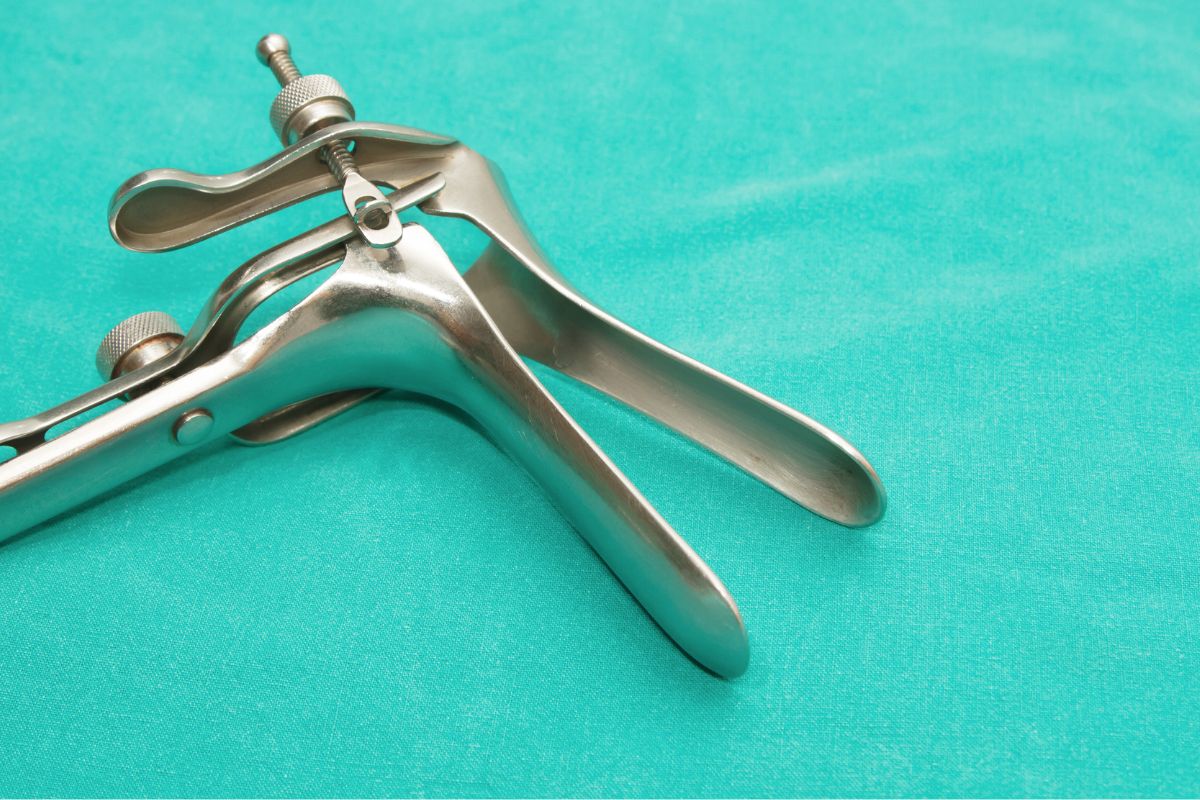
Gynecologic surgery has undergone many advances in recent years, with new technologies and methods that enhance the safety and efficacy of surgery.
The use of robotic-assisted surgery, real-time imaging, and enhanced minimally invasive surgical techniques has become more prevalent and is enabling less invasive procedures with reduced postoperative pain and a more rapid recovery for patients.
Looking forward to future advances in gynecologic surgery, there are many areas of research that are expected to bring additional benefits to patients. These advances will provide improved patient outcomes and more treatment options for women. With advancing technology, the future of gynecologic surgery is looking excellent.
The Gynecologic Surgery Specialist plays a vital role in the care of women. By providing individualized, state-of-the-art care, the Gynecologic Surgery Specialist can give women the tools to achieve optimal health. The Gynecologic Surgery Specialist is at the forefront of the latest advances in medical care and surgery.
Women can face their health care needs with confidence knowing that there are highly skilled surgeons available to care for them. Not only can gynecologic surgery treat current health problems, but it can also promote long-term optimal health. By educating women on the various surgical options available, women can make an informed decision that will have a profound impact on their life.
The latest advances in gynecologic surgery are bringing hope and optimal health care to women everywhere.
Short answer: A Gynecologic Surgery Specialist is a highly trained surgeon who specializes in the female reproductive system. They diagnose and perform necessary surgeries on their patients. They also work with other health care providers and educate their patients on the best course of treatment for their specific condition. Gynecologic Surgery Specialists treat a variety of conditions, including but not limited to: fibroid tumors, endometriosis, ovarian cysts, pelvic organ prolapse, and many other menstrual and reproductive system disorders. The goal of the Gynecologic Surgery Specialist and their patient is to relieve symptoms and return the patient to optimal health and function in order to improve the patient’s quality of life.
Short answer: Fibroids are typically identified by imaging such as ultrasound and MRI in order to assess the size of the fibroids and their exact location within the uterus. The symptoms of fibroids are typically severe menstrual bleeding and/or pelvic pain and/or frequent urination, but some women have no symptoms at all. Management of fibroids typically begins with medications that help to shrink the fibroids as well as lifestyle changes in order to attempt to relieve the symptoms of the fibroids. Some fibroids may need to be removed in order to relieve symptoms depending on the size of the fibroids and the symptoms that they are causing. Early and accurate diagnosis of fibroids is very important in order to determine the best treatment option for each individual patient.
Short answer: There are several different types of fibroid removal surgeries including hysteroscopic myomectomy, laparoscopic myomectomy, robotic-assisted myomectomy, and abdominal myomectomy (also referred to as an open myomectomy). The best approach for removing fibroids will depend on the number of fibroids that a patient has, the size of the fibroids and their location within the uterus as well as the patient’s preferences. The patient’s surgeon will review all of the details of the patient’s condition in order to choose the best option for surgery. After the fibroids have been removed from the uterus, the patient can expect to have some pain and fatigue for a period of time after surgery. The patient’s surgeon will provide the patient with specific postoperative instructions in order to ensure the best possible outcome from the surgery. The patient should also follow up with their surgeon as recommended in order to ensure that the patient is healing properly from the surgery.
Short answer: Minimally Invasive Gynecologic Surgery typically uses small incisions in the abdomen and the latest technology in order to perform the necessary surgery. There are many benefits to choosing a minimally invasive approach to gynecologic surgery including a short recovery time, less pain after surgery, minimal scarring, and a shorter hospital stay. The best approach to a patient’s condition will typically be chosen by the patient’s surgeon and will be based on the patient’s specific condition and needs. The surgeon must be very skilled in order to use the minimally invasive methods in order to achieve the best possible results for the patient.
Short answer: There are many very qualified Gynecologic Surgery Specialists in the DFW area who are providing the very latest state-of-the-art, patient-centered care for their patients. The most important thing to consider when choosing a Gynecologic Surgery Specialist is their certification, their affiliations, patient reviews, the types of surgical techniques and the latest technologies that they use, including minimally invasive techniques, and the surgeon’s consultation style and communication. It is very important that the patient feels confident and informed about their options and the chosen plan of treatment during the consultation with the potential surgeon.
Contact us today if you are looking for a Gynecology Specialist in Dallas!

Heart health is crucial for overall well-being. Learn how to keep your heart healthy with these simple lifestyle changes, expert tips, and the latest medical advancements.

Dr. Helen Onoriode and her team at O. H. Women’s Health are committed to providing the highest quality healthcare through all phases of a woman’s life. Make an appointment with us today!