Removing a fibroid from the uterus can be a life-changing decision. Fibroids are non-cancerous growths that can cause discomfort and other symptoms. Understanding the removal process is crucial for those considering this option.
This guide will explore the various methods of fibroid removal and how they can remove fibroid tumors safely. We'll discuss recovery, potential risks, and finding the right doctors. We'll also touch on how to search for fibroid removal near me and evaluate fibroid removal doctors near me.
Whether you're experiencing severe symptoms or exploring treatment options, this article aims to provide valuable insights.
Fibroid removal can improve quality of life and alleviate symptoms. Let's delve into the details to help you make informed decisions.
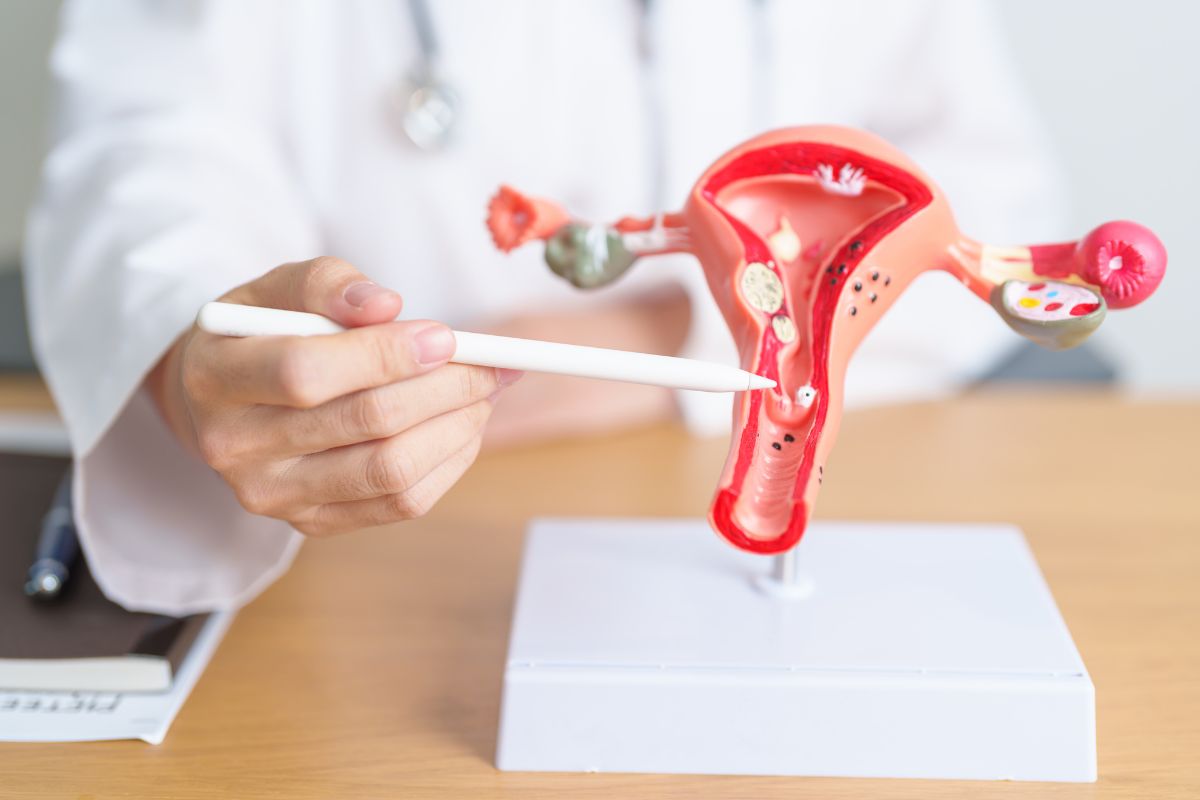
Uterine fibroids are benign tumors that form in or on the uterus. Despite their non-cancerous nature, they can still cause significant discomfort and health issues. Women of reproductive age are most commonly affected by fibroids.
These growths vary in size, ranging from tiny seedlings to large masses. They can alter the shape and size of the uterus. Some women may have multiple fibroids simultaneously, increasing the risk of symptoms.
Fibroids may develop without causing noticeable symptoms. However, when symptoms appear, they often include heavy menstrual bleeding and pelvic pain. Understanding fibroids is the first step toward effective treatment.
Fibroids can lead to various symptoms, although some women may be asymptomatic. Notable symptoms include heavy menstrual bleeding, prolonged periods, and pelvic pressure. These can interfere with daily activities and significantly impact quality of life.
Some women experience pain, both in the pelvis and the lower back. Frequent urination and constipation can also occur as fibroids press against other organs. These symptoms vary based on fibroid size and location.
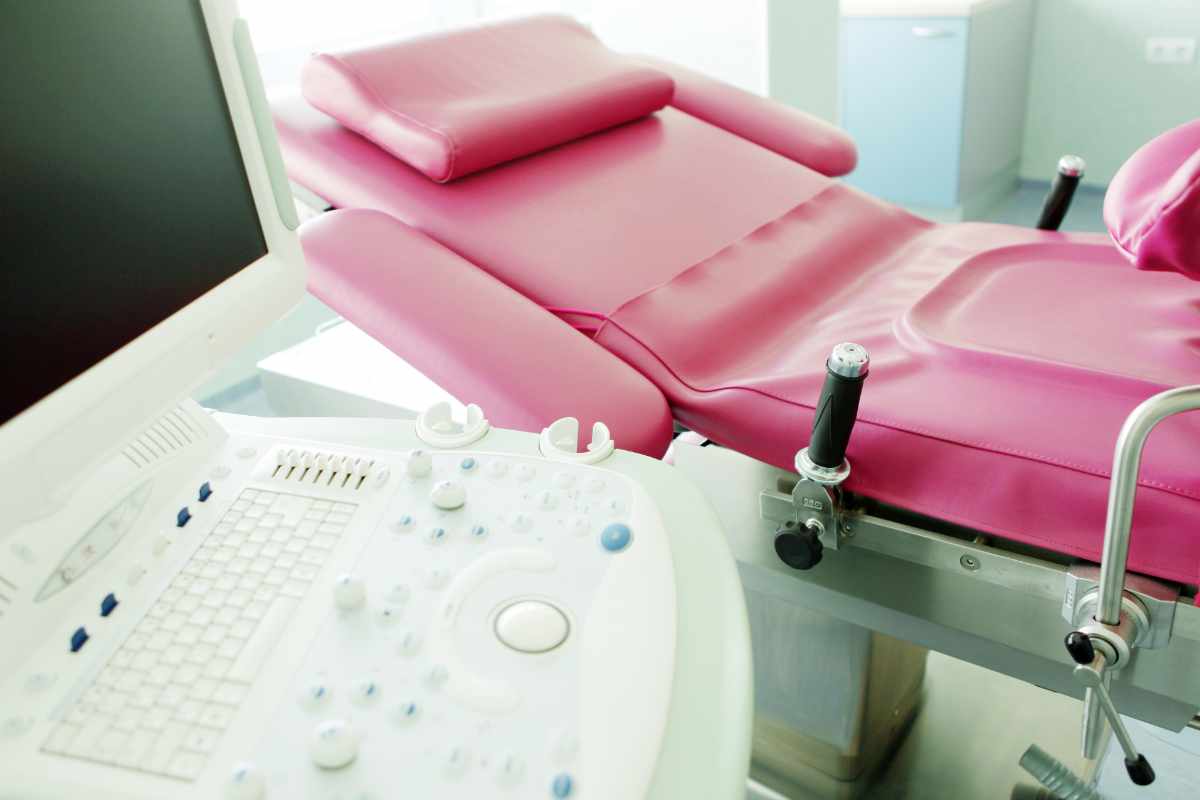
Diagnosis often involves a pelvic exam and imaging tests, such as ultrasounds. These help doctors visualize fibroids and assess their size and location. Early diagnosis is crucial for effective management.
Fibroid removal becomes crucial when symptoms severely impact a woman's quality of life. Discomfort, pain, and heavy bleeding are primary indicators that intervention may be necessary.
If fibroids cause complications like anemia or infertility, doctors often recommend removal. Each patient's needs vary, and a personalized approach is vital.
Discussing symptoms and treatment options with a healthcare provider is essential. Together, you can determine the best approach based on individual health goals and needs.
When considering fibroid removal, understanding the available surgical options to remove fibroid tumors is crucial. Each procedure varies in approach and recovery.
The choice of procedure depends on factors like fibroid size and location. Patient preferences and fertility goals also play a role in decision-making.
Advanced surgical techniques, such as laparoscopic and robotic surgery, offer minimally invasive options. These generally result in shorter hospital stays and faster recovery times.
Non-surgical treatments, including medication or lifestyle changes, may be tried first for mild cases. However, persistent symptoms often require surgical intervention for effective relief.
Ultimately, discussing all possible options with a healthcare provider ensures an informed decision. Personalized care plans are tailored to meet individual health needs and objectives.
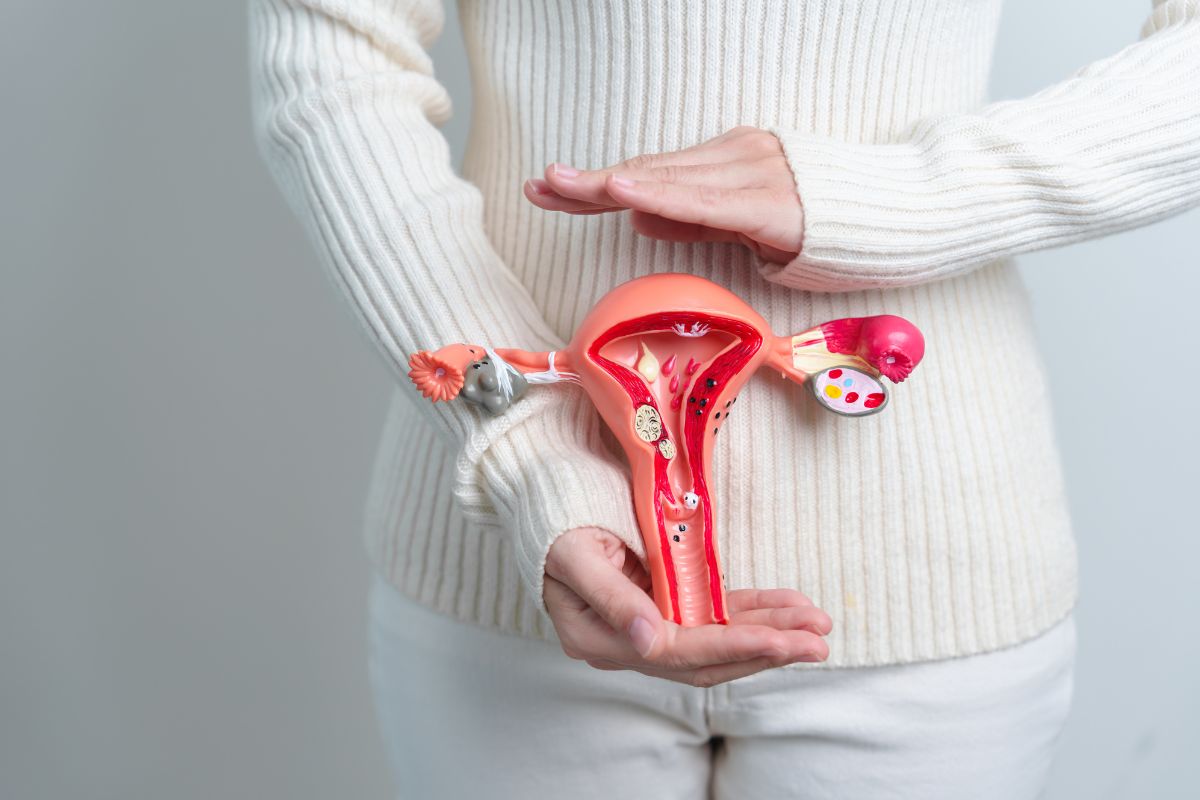
Myomectomy offers an option to remove fibroids while preserving the uterus. It's ideal for women who wish to maintain fertility.
This procedure is effective in alleviating fibroid-related symptoms. It also allows for future pregnancies, as the uterus remains intact. Types of Myomectomy:
Choosing myomectomy depends on individual health factors and reproductive goals. Consult with experienced surgeons for the best outcomes.
Hysterectomy involves removing the entire uterus and is a permanent solution for fibroids. It's often recommended when other treatments fail.
This procedure ensures fibroids won't recur. However, it ends the possibility of future pregnancies, making the decision significant. Types of Hysterectomy:
Discussing the potential impacts on life after a hysterectomy is essential. Patients should understand the benefits and risks involved.
Uterine Artery Embolization (UAE) is a minimally invasive technique. It works by cutting off blood supply to fibroids, causing them to shrink.
This procedure avoids the need for open surgery. It's suitable for women who want a quick recovery with minimal scarring. Alternatives to Consider:
UAE is not suitable for all patients, particularly those wishing to conceive. Discussing all options with a healthcare provider is crucial for informed decision-making.
Preparation for fibroid removal surgery involves several important steps. This ensures a smooth procedure and recovery, and sets expectations for fibroid removal recovery.
Patients typically undergo a series of pre-surgery assessments. These assessments often include imaging tests to map fibroid locations and blood work to check health status.
Discussing any concerns or questions with your healthcare provider can ease anxiety. This proactive approach lays the foundation for successful surgery and healing.
Fibroid removal procedures vary in duration and complexity. The surgery type depends on the chosen method.
Patients are usually under anesthesia to ensure comfort. Depending on the procedure, the approach may be minimally invasive or require an open incision.
Understanding the procedure helps ease pre-surgery stress. Discuss any specific procedure details with your doctor to feel prepared.
Recovery from fibroid removal varies by procedure type. It's crucial to follow your doctor's instructions.
Post-surgery, rest is vital. Initial recovery typically involves spending a few days resting and gradually increasing activities. During fibroid removal recovery, track your symptoms and communicate concerns promptly.
Pain management is important during recovery. Your doctor may prescribe medication to alleviate discomfort.
Adopting a healthy lifestyle can aid recovery. Proper nutrition and hydration support the healing process.
Expect some fatigue during recovery. Listen to your body and rest when needed.
Seek support if required. Having help from family or friends can ease the recovery period.
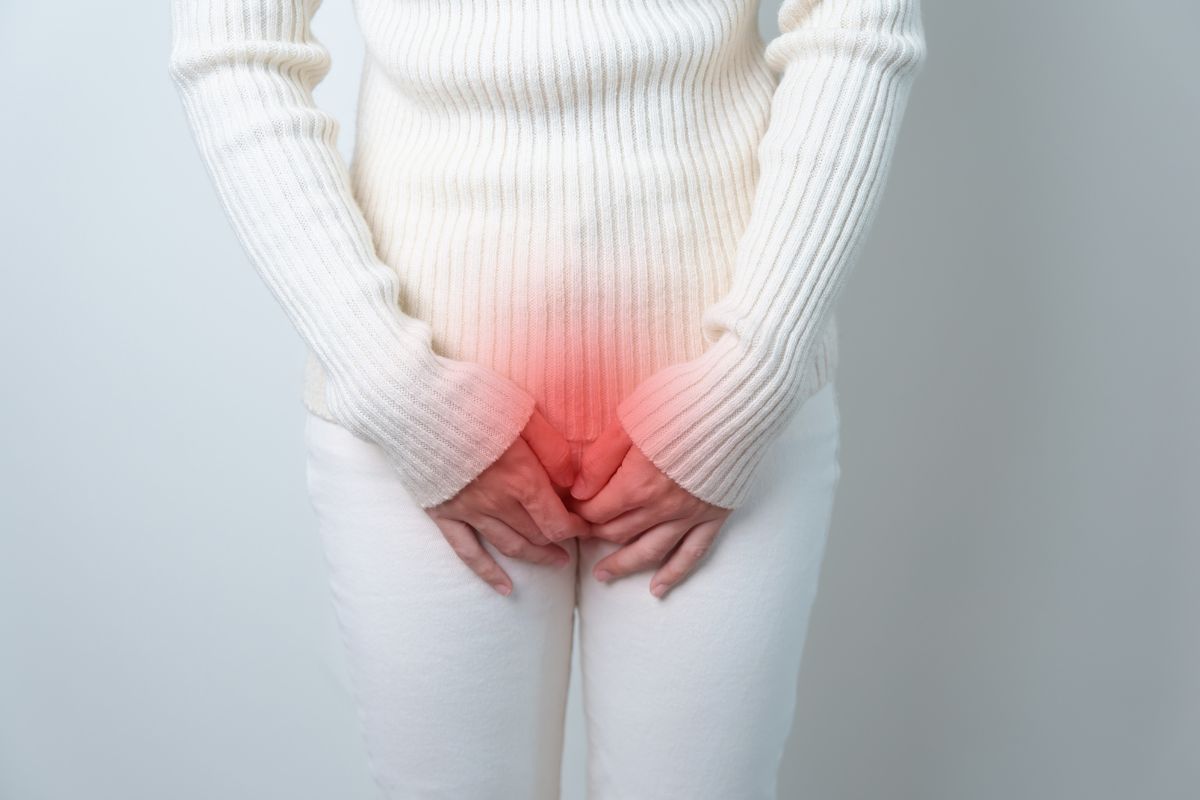
Fibroid removal procedures, while generally safe, carry some risks. Understanding these risks ensures informed decisions.
Complications can include infection, bleeding, or scar tissue formation. Discuss potential issues with your doctor beforehand.
Fibroids might recur after removal. Regular check-ups can help manage this possibility effectively. Monitoring is key to long-term health and wellness.
Post-surgery life can bring changes, especially regarding fertility and hormone levels. Each woman's experience varies.
Some women see improved fertility after removing fibroids. It's often due to restored uterine health.
Hormonal shifts might occur temporarily. Discuss any concerns with your healthcare provider to ensure all aspects of recovery are addressed.
Selecting the right doctor is crucial for a successful fibroid removal. You need someone with the right expertise.
Begin by researching local specialists. Start by searching "fibroid removal near me" to compare clinics and hospital-based programs. Consider their experience, success rates, and patient reviews. If you're unsure where to begin, your primary care clinician or OB-GYN can refer you to fibroid removal doctors near me.
A well-chosen doctor ensures better outcomes and a smoother recovery. Don't hesitate to ask questions during consultations.
Understanding the expected outcomes of fibroid removal is crucial. Changes might be immediate or develop over time.
Many patients experience relief from symptoms like heavy bleeding and pelvic pain post-surgery. Improvements in quality of life are common.
Seeing before and after images can provide a realistic view of potential changes. You can also review before and after'' pictures of fibroid removal from credible medical sources to understand typical outcomes and set expectations.
Many women have concerns about fibroid removal surgery. Common questions revolve around recovery and potential impacts.
One frequent question involves the recovery process. Most minimally invasive surgeries allow quicker healing and less downtime.
Discussing these questions with your healthcare provider ensures you are well-prepared and informed. This dialogue helps in making confident decisions.
Removing a fibroid from the uterus can significantly enhance your quality of life. It is a personal decision that requires careful thought and consultation with your doctor.
By understanding your options, you can take proactive steps in managing your health. With the right approach, fibroid removal can lead to a healthier, more comfortable life.
Short answer: Consider removal when fibroids significantly affect daily life or health. Common symptoms include heavy or prolonged menstrual bleeding, pelvic or lower back pain, pelvic pressure, frequent urination, and constipation. Diagnosis typically involves a pelvic exam and imaging (often ultrasound) to confirm fibroids and assess their size and location. Removal is more likely recommended if symptoms are severe, if there’s anemia from blood loss, or if fibroids are contributing to fertility issues. A personalized discussion with your healthcare provider helps determine the best next step.
Short answer: The three common options are:
Short answer: Start by searching “fibroid removal near me” to identify local clinics and hospital-based programs. Compare specialists by:
Short answer: Preparation typically includes a medical evaluation for anesthesia readiness, imaging to map fibroids, stopping certain medications as advised, and arranging help at home for early recovery. During the procedure, you’ll receive anesthesia (local or general), and the surgical technique will match your fibroids’ size and location. Afterward, you’ll be monitored in a recovery area before going home or to a hospital room, depending on the procedure type.
Short answer: Recovery varies by procedure but often follows this general arc: Days 1–3 rest at home; Week 1 light activities; Weeks 2–4 gradual return to routines. Follow post-op instructions, manage pain as prescribed, attend follow-ups, avoid strenuous activity, and support healing with good nutrition and hydration. Risks can include infection, bleeding, and scar tissue formation. Fibroids can recur after removal (except after hysterectomy), so regular check-ups help with long-term management. Fertility may improve for some after fibroid removal (especially with myomectomy), while hysterectomy ends future pregnancy potential. UAE is typically not recommended for those planning to conceive. Temporary hormonal shifts can occur; discuss any concerns with your provider.

Heart health is crucial for overall well-being. Learn how to keep your heart healthy with these simple lifestyle changes, expert tips, and the latest medical advancements.

Dr. Helen Onoriode and her team at O. H. Women’s Health are committed to providing the highest quality healthcare through all phases of a woman’s life. Make an appointment with us today!