
Undergoing a hysterectomy is a significant event in a woman's life. It involves the removal of the uterus and sometimes other reproductive organs.
Recovery is a crucial phase that requires careful attention and care. One important aspect of recovery is finding the right sleeping position.
Sleeping well can greatly impact your healing process. It can also affect your comfort and overall well-being.
Many wonder, "Can I lay on my side after a hysterectomy?" This is a common concern for those recovering from the surgery.
In this guide, we will explore safe sleeping positions post-hysterectomy. We will also provide tips for a smooth recovery and restful sleep.
Understanding these aspects can help you heal better and faster.
A hysterectomy is a surgical procedure that removes the uterus. In some cases, ovaries and fallopian tubes may also be removed.
This surgery can be necessary for several medical reasons. Common reasons include fibroids, endometriosis, or cancer.
Recovery after a hysterectomy is critical and varies by individual. The type of hysterectomy performed can also affect the healing process.
Recovery generally includes post-operative care and routine check-ups. Following your doctor's instructions is essential for healing. During the hysterectomy post operative period, ask for clear activity and sleep guidelines so you know when and how to change positions safely.
Expect some discomfort and changes during recovery. Understanding these changes can help manage them better.
Key points of recovery include:
Proper knowledge and planning can ease your recovery journey. If you learn best visually, ask your clinic for patient education materials or a hysterectomy with pictures to better understand what to expect. Discuss any concerns with your healthcare provider.
Quality sleep is essential for recovery after any surgery. It aids the body in repairing tissues and boosts immune function.
During post-hysterectomy recovery, sleep can influence how quickly and effectively you heal. Poor sleep may slow the recovery process, leading to prolonged discomfort.
Several benefits of good sleep post-surgery include:
Sleep also plays a vital role in managing stress, which can be heightened after major surgery. Thus, understanding and implementing proper sleep habits is crucial.
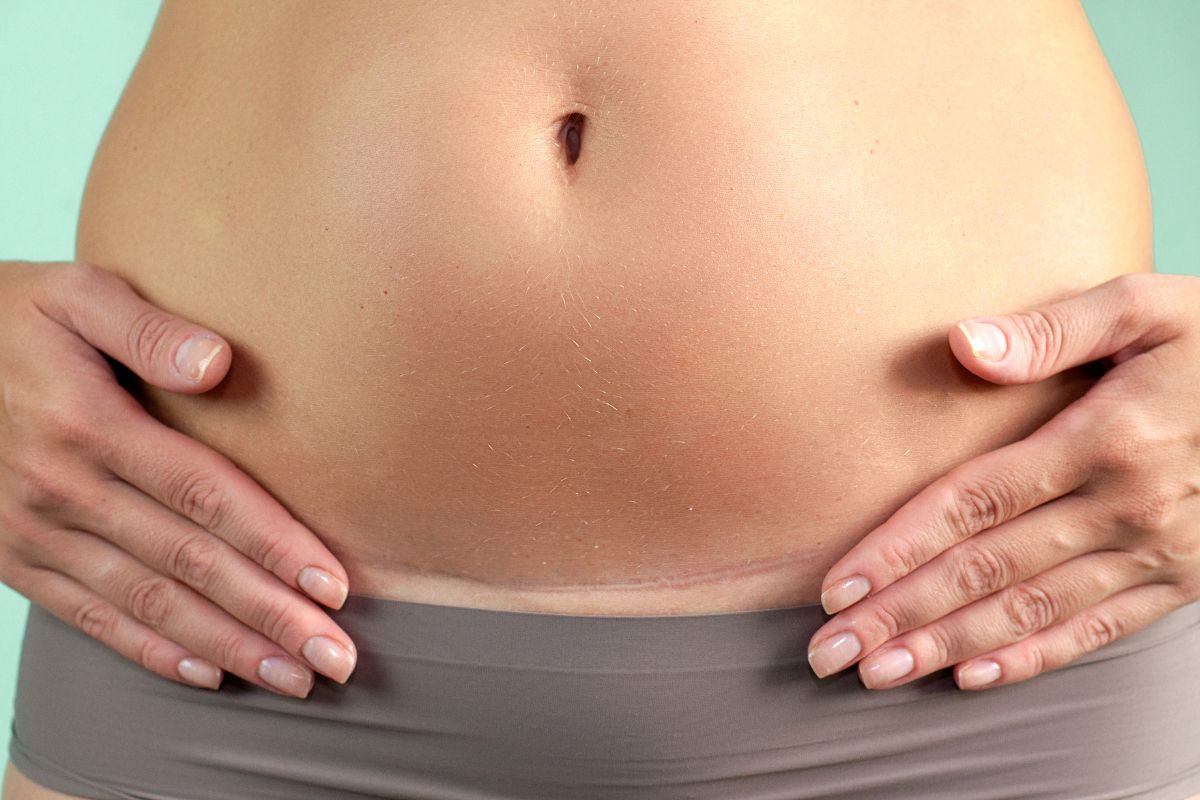
After a hysterectomy, choosing the right sleeping position is crucial. It can significantly influence your recovery process and overall comfort.
The primary goal is to minimize pressure on your incision and support your body's healing process. Most surgeons recommend specific positions to help with this.
Here are some recommended sleeping positions:
Monitoring your body's reactions to these positions is essential. Discuss any discomfort or persistent issues with your healthcare provider.
Every patient's recovery is unique. Thus, it's vital to listen to your body and seek professional advice when uncertain.
Sleeping on your back is often the safest bet immediately after a hysterectomy. This position significantly reduces any pressure on your abdomen or incision area.
Lying flat on your back helps the surgical site remain undisturbed. It supports spinal alignment and maintains comfort.
Many find back sleeping prevents unnecessary twisting or turning during sleep. This can help minimize pain and speed up recovery.
Side sleeping post-hysterectomy can be possible but requires caution. Initially, it may not be recommended until the incision starts healing.
Consult with your surgeon about when side sleeping is appropriate. They will guide you based on your recovery progress.
If cleared, consider these tips to safely sleep on your side:
Some may find side sleeping too painful at first. Patience and gradually adjusting positions are key.
Monitor any changes in pain and report concerns to your doctor promptly. Personal comfort should always be prioritized.
Pillows can be a great asset in ensuring comfortable sleep post-surgery. They provide necessary support and reduce strain on incisions.
Consider integrating pillows in your nightly routine as follows:
Selecting the right firmness and pillow type is vital for optimal support. They can also be used when transitioning from back to side sleeping.
Certain sleeping positions can harm your recovery journey post-hysterectomy. It's essential to avoid these to protect your healing incision.
Here's what to avoid:
Sleeping improperly might stretch or strain your incision. Always adhere to medical advice and listen to your body's signals for the best outcomes.
Experiencing pain after a hysterectomy is common, especially at night. Effective management is crucial for sleep quality and recovery.
Work with your healthcare provider to create a pain management plan. This plan should address both medication and non-drug strategies.
Some steps to relieve discomfort include:
Experiment with different techniques to find what works best for you. Consistency in your nightly routine can make a big difference.
Keeping a pain journal can help track symptoms and identify patterns. Share these insights with your healthcare provider for better management.
Creating a comfortable sleep environment is essential for recovery. It can significantly impact how well you sleep after surgery.
Ensure your bedroom is a peaceful haven. Focus on elements that enhance relaxation and comfort.
Consider these tips for an ideal sleep space:
Pay attention to the details in your bedroom setup. Small changes can lead to big improvements in sleep quality. Adjust as needed to fit your preferences.
Knowing when to reach out to your surgeon is crucial. Consult your doctor if you experience persistent sleep issues. Open communication helps ensure your recovery stays on track.
Consider seeking advice under these circumstances:
Discuss any sleep concerns with your healthcare provider promptly. They can offer tailored advice and adjustments to your recovery plan. Your well-being and recovery are their top priority.
Looking for women surgeon specialists? OHWM can help you!
How soon can I sleep on my side?
Recovery varies, but generally, patients may begin side sleeping a few weeks after surgery. Always follow your doctor's guidance.
Is it normal to feel pain while sleeping?
A degree of discomfort is common initially. However, persistent pain should be discussed with your healthcare provider.
Can I use sleep aids post-surgery?
Consult your doctor before using any sleep medications. They can provide recommendations based on your specific health needs.
Should I be concerned about snoring?
Snoring can occur due to changes in sleep position. If it's a new issue, inform your doctor to rule out any complications.
Other common concerns include:
Discuss these issues with your healthcare team for personalized advice. Understanding how to navigate sleep post-surgery can enhance your recovery process.
Ensuring a smooth recovery after a hysterectomy involves more than just rest. Following your healthcare provider's advice diligently is crucial. Incorporate these tips into your daily routine to support healing.
Firstly, hydration is key. Drink plenty of water to maintain bodily functions and aid in healing. Secondly, prioritize a balanced diet rich in nutrients to strengthen your immune system. Lastly, light physical activity, as recommended by your doctor, can improve circulation and speed up recovery.
If your procedure included combined planning, such as hysterectomy and tummy tuck staged together, confirm specific restrictions on lifting and sleep positions with your surgeon.
Above all, patience is vital. Allow your body the time it needs to heal. If any concerns arise, don't hesitate to reach out to your medical team.
Choosing the right surgeon can significantly affect your recovery experience and outcomes. Start by researching "hysterectomy near me" to find local specialists. Personal recommendations from friends or family can also be invaluable. You can also try terms like "hysterectomy surgery near me," "best hysterectomy surgeons near me," or simply "hysterectomy surgeons" to compare options and reviews.
Furthermore, consider looking for accredited hospitals or clinics with excellent patient reviews. Reach out to potential surgeons to discuss their experience and approach.
Selecting a surgeon you trust will help ease anxiety and ensure a smooth surgical experience. Trust and communication are vital components of a successful procedure.
A safe and restful sleep is essential for healing after a hysterectomy. Understanding the best positions and post-operative care can significantly aid recovery.
Always listen to your body and follow your doctor's guidance. Seek support when needed to ensure a smooth healing journey. With patience and proper care, you can look forward to both recovery and restful nights ahead.
Short answer: Side sleeping can be possible but usually not right away. Your surgeon will tell you when it’s appropriate based on how your incision and overall recovery are progressing. Once cleared, ease into it with support: use a body pillow, keep your legs slightly bent with a pillow between your knees, avoid sudden rolling, and stop if pain increases.
Short answer: Back sleeping is generally the safest right after a hysterectomy because it reduces pressure on the abdomen and helps protect the incision. A slight head elevation can make breathing more comfortable. Avoid stomach sleeping and twisted positions that can strain healing tissues.
Short answer: Pillows can support your body and protect your incision. Place one under your knees when lying on your back to reduce lower-back stress, use a body pillow or pillows along your side to prevent rolling, put a pillow between your knees when side sleeping, and use a supportive pillow behind your neck for comfortable head positioning.
Short answer: Follow your prescribed pain plan and consider non-drug strategies your provider supports, like gentle stretches, deep breathing, or meditation. Keep a consistent wind-down routine and track symptoms in a pain journal so you and your healthcare provider can adjust your plan if needed.
Short answer: Reach out if pain regularly disrupts sleep, if nighttime discomfort is new or worsening, or if you notice unusual symptoms (such as fever, swelling, or signs of infection). If you had additional procedures (for example, a tummy tuck with your hysterectomy), ask for specific guidance on safe sleep positions and restrictions.
Looking for Hysterectomy surgeon? Contact us today!

Heart health is crucial for overall well-being. Learn how to keep your heart healthy with these simple lifestyle changes, expert tips, and the latest medical advancements.

Dr. Helen Onoriode and her team at O. H. Women’s Health are committed to providing the highest quality healthcare through all phases of a woman’s life. Make an appointment with us today!