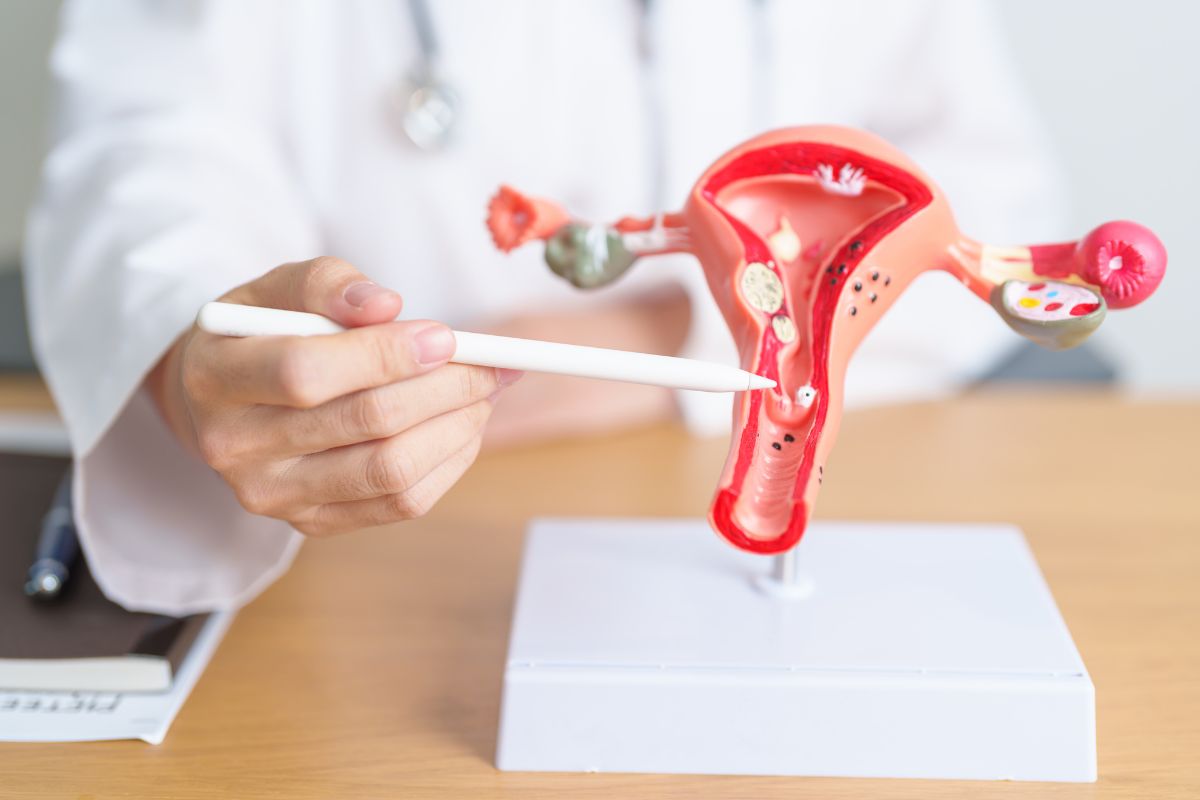
OH Womens Health OBGYN care supports health at every life stage. It covers screening, period care, birth control, pregnancy planning, and menopause. If you need a women's obgyn in Dallas, TX, consider a female gynecologist for reproductive health care. A good visit should give you time for questions, clear next steps, and respect.
An OB-GYN cares for the female reproductive system and pregnancy. They also treat health problems that affect daily life.
Many women need yearly well-woman visits. These visits can help with irregular periods, pelvic pain, menopause, mental health, sexual health, and other concerns. The best visit should feel like a real talk with your doctor, not a long checklist.
Women's health needs change over time.
Teenagers may need teaching and reassurance. Women in their 20s and 30s may need birth control help, STI testing, pregnancy planning, and care before and after birth. Later in life, care may focus on hot flashes, sleep changes, vaginal dryness, mood changes, low libido, and bone health.
An obgyn clinic in Dallas can provide much of this care in one place. It may also work with primary care doctors, imaging centers, hospitals, specialists, nurse practitioners, physician assistants, and midwives. A team approach is often best for women's preventive care, especially when a patient needs more follow-up than average.
These are common areas of care for women:
Knowing a patient well helps a provider spot changes over time and talk through treatment choices.
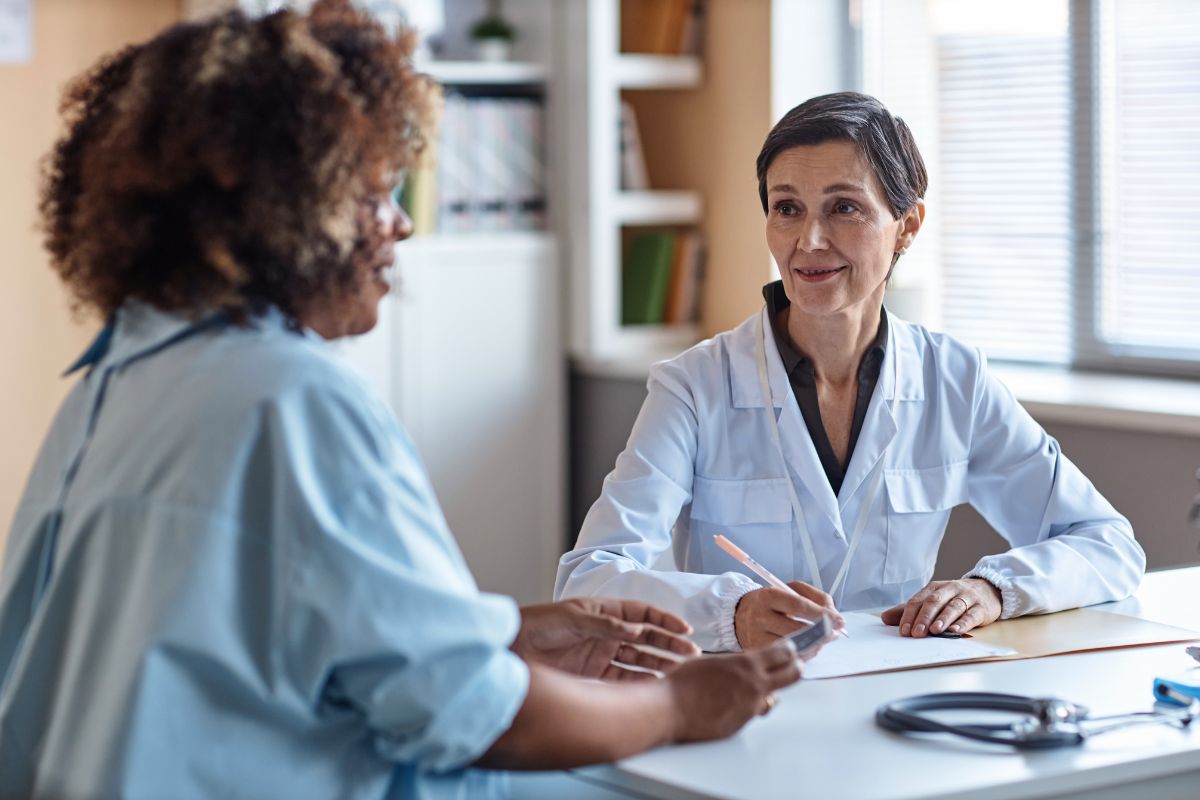
Patients often prefer female gynecologists for discussing personal topics like sexual health, trauma, and pregnancy. Some women simply feel more comfortable with another woman.
That said, not every patient needs a female OB-GYN. Many male providers are skilled and caring. Find a provider you trust and feel at ease with.
A good visit should include:
If your provider suggests an exam, ask:
ACOG states that doctors use pelvic exams for certain symptoms and medical histories. Doctors can also discuss them during preventive visits for women of reproductive age.
A well-woman visit usually starts with a discussion about health history, symptoms, medicine, menstrual cycle, sexual health, reproductive health, and pregnancy goals. Based on age and history, the visit may also include tests, exams, birth control choices, and fertility options.
Healthcare providers usually perform cervical cancer screening in women with a cervix using Pap tests, HPV tests, or both. Screening depends on age, risk, past results, and medical history. If you are not sure when your next test is due, ask your provider.
If this is your first OB-GYN visit, write down your questions ahead of time.
A simple prep checklist:
Reproductive health care is more than birth control or trying to get pregnant. It should fit a person's values, body, relationships, pregnancy goals, and overall health. A reproductive life plan can help match testing and treatment with current and future goals.
Birth control counseling should be practical and nonjudgmental. According to the Office on Women's Health, birth control includes medicines, devices, and other methods that help prevent pregnancy. There are short- and long-acting options, plus reversible and permanent methods. The best choice depends on health history, side effects, menstrual needs, ease of use, cost, privacy, and STI protection.
If a person plans to get pregnant later, they should start planning with their OB-GYN early. Pre-pregnancy counseling can include medicine review, vaccines, past pregnancies, and current health issues. ACOG says this can help lower risk in later pregnancy.
Many women feel vulnerable when they seek GYN care. They may worry about pain, judgment, privacy, body image, cost, or not being taken seriously. An obgyn clinic can help with respectful communication, privacy, clear steps, and a calm setting.
A good clinic does not need to feel fancy. It must be organized, private, and responsive. Helpful touches include private rooms, modest gowns, clear forms, and staff who treat patients with care.
You also have rights during a visit:
If you feel dismissed or confused, ask for more information before making a decision.
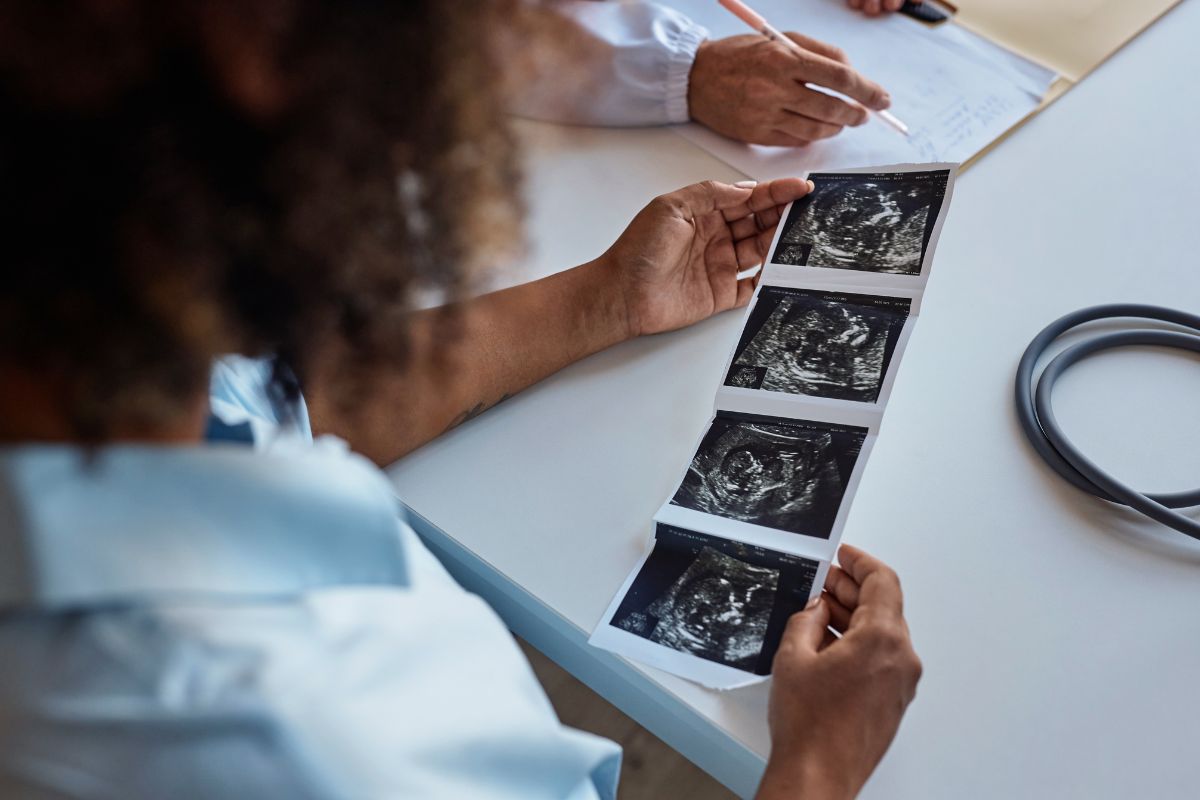
When looking for a womens obgyn care provider, several factors matter. Location is important, but it should not be the only thing you consider.
Questions to ask when comparing options:
Reading online reviews is a good idea, but do not let them be the only factor. A simple phone call can show you a lot about how questions are answered, how policies are explained, and how they will treat you.
Routine checkups are important for women with GYN conditions, but some symptoms need quick care. If you have severe pelvic pain or unusual bleeding, contact an OB-GYN or clinician. If symptoms feel urgent or severe, go to the emergency room.
Do not wait for symptoms to get worse. Early care, plus a clear explanation of normal changes in the female body, can ease stress and help you manage symptoms. Use this as a general guide, not as a substitute for medical care.
Having a women's OB/GYN can help prevent issues, boost confidence, and guide women through different life stages. If you need a female gynecologist, pick an obgyn clinic that provides caring, respectful, and easy communication. Reproductive health is personal, and women should feel informed, heard, and ready for the stage of life they are in.
Short answer: Many women benefit from yearly well-woman visits, even when they do not have a current health concern. These visits can support preventive care, cancer screening, contraception, menstrual concerns, sexual health, mental health, menopause symptoms, and questions about pregnancy planning or fertility. The right timing can depend on age, medical history, symptoms, and risk factors.
Short answer: No. Pelvic exams are used for some medical histories and symptoms, and preventive visits are also a time to discuss whether one is needed. Patients can ask why they need an exam, what will happen during it, if there are other options, and if a chaperone will be present.
Short answer: Bring a written list of questions, current medicine and supplements with doses, key personal medical history, and family history, especially breast, ovarian, uterine, or colon cancer and blood clots. Be ready to discuss menstrual cycles, sexual health, reproductive goals, symptoms, and any concerns about exams or tests.
Short answer: Location matters, but it should not be the only factor. Ask about the services offered, the members of the care team, how urgent symptoms are handled, how test results are shared, which hospitals or surgery centers are used, and whether the provider listens well. Reviews can help, but a phone call often gives a clearer sense of communication and care.
Short answer: Severe pelvic pain or unusual bleeding should be discussed with an OB-GYN or clinician right away. If symptoms feel urgent or severe, the article recommends going to the emergency room. Regular checkups are important, but you should not ignore sudden or serious symptoms.

Heart health is crucial for overall well-being. Learn how to keep your heart healthy with these simple lifestyle changes, expert tips, and the latest medical advancements.

Dr. Helen Onoriode and her team at O. H. Women’s Health are committed to providing the highest quality healthcare through all phases of a woman’s life. Make an appointment with us today!