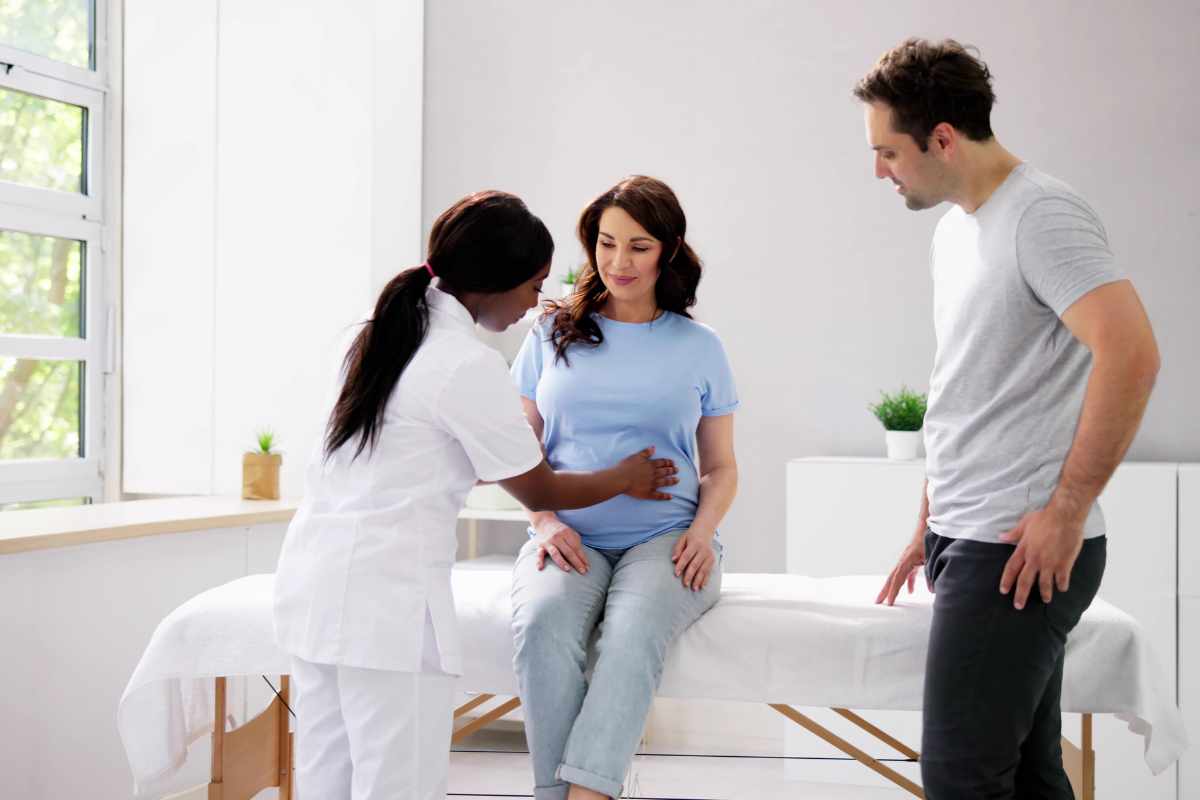
Pelvic pain is one of the most common yet misunderstood symptoms women experience. It can be dull, sharp, intermittent, or constant—but no matter the intensity, pelvic pain is often a sign that something deeper is going on. And while many women push through it, hoping it will resolve on its own, chronic or recurring pelvic discomfort deserves medical attention—especially when it might be related to conditions that require gynecologic, laparoscopic, or even robotic surgical care.
This article helps patients understand what causes pelvic pain, when it becomes concerning, and how to choose the right type of specialist for an accurate diagnosis and effective treatment plan.
Pelvic pain can originate from reproductive organs, the urinary tract, the gastrointestinal system, the pelvic floor muscles, or even the spine. Because the pelvis is such a complex region, pinpointing the exact cause often requires a specialist—not just a general evaluation.
Among these, endometriosis is one of the leading causes of chronic pelvic pain and is often missed or misdiagnosed for years. If pain worsens around your period, during intercourse, or with bowel movements, it’s important to seek evaluation from a provider experienced in endometriosis, minimally invasive gynecologic surgery, and hormonal treatment options.
You should seek immediate or urgent care if pelvic pain is accompanied by:
Chronic pelvic pain, however, is just as important. Pain lasting 3 months or longer—even if mild—should prompt a consultation with a gynecologist or pelvic pain specialist.
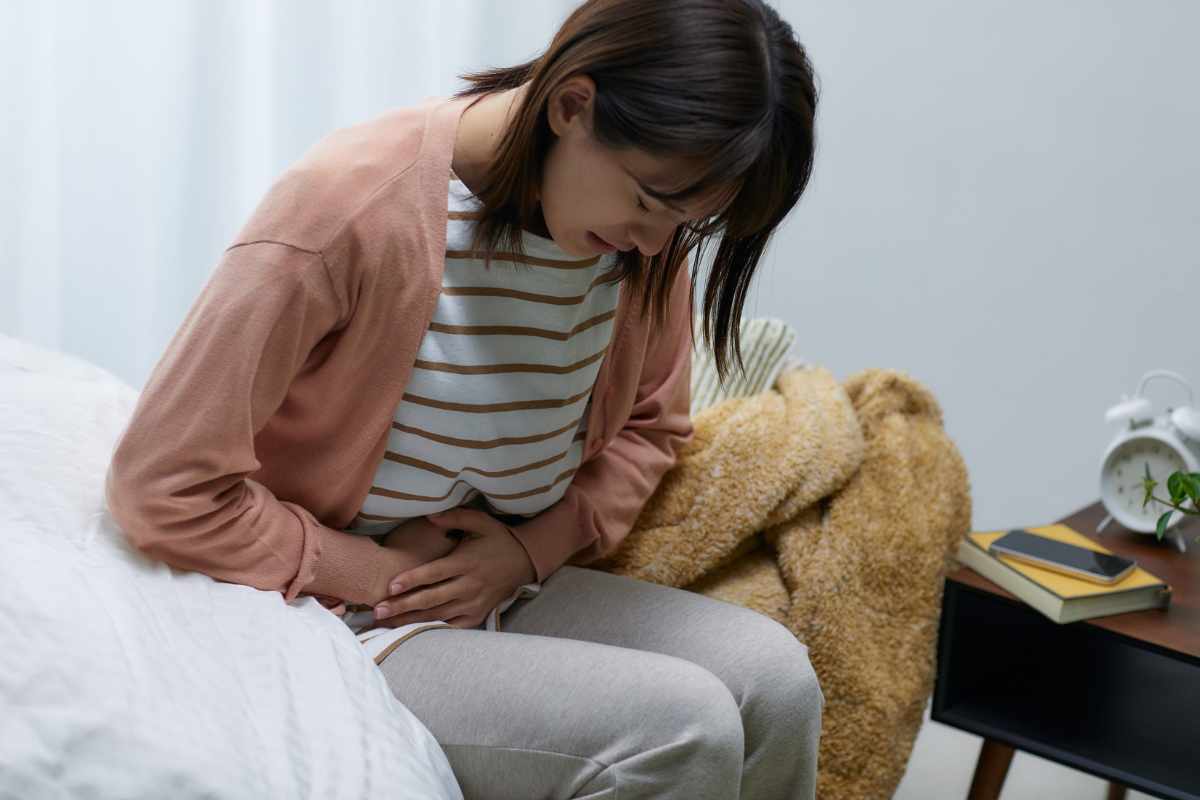
Not necessarily—most women can find relief through non-surgical treatments, including:
But when pain is caused by conditions like endometriosis, fibroids, or ovarian pathology, surgery may be the most effective long-term solution.
Modern gynecology has evolved far beyond large incisions or long recoveries. Today, surgeons can treat pelvic pain causes through:
Both techniques offer:
Robotic surgery, in particular, allows for enhanced 3D visualization and improved instrument control, making it ideal for complex cases such as deep endometriosis excision.
Finding the right provider is critical, especially if your pain has been dismissed or misunderstood in the past. Look for a specialist who:
You are not being “dramatic” or “sensitive”—your pain is real, and the right specialist will acknowledge that.
Pelvic pain is never something to normalize or ignore. Whether the cause is hormonal, structural, inflammatory, or related to endometriosis, early diagnosis leads to better outcomes and more treatment choices. A compassionate and highly trained gynecologist can help determine whether your pain can be managed non-surgically or whether minimally invasive gyn surgery may provide lasting relief.
If you're experiencing pelvic pain that disrupts your daily life, your cycle, your relationships, or your peace of mind, seeking expert care is the next right step.

Heart health is crucial for overall well-being. Learn how to keep your heart healthy with these simple lifestyle changes, expert tips, and the latest medical advancements.

Dr. Helen Onoriode and her team at O. H. Women’s Health are committed to providing the highest quality healthcare through all phases of a woman’s life. Make an appointment with us today!