

Polycystic Ovary Syndrome (PCOS) is a common hormonal disorder. It affects many women of reproductive age. PCOS is a leading cause of infertility. It disrupts normal ovulation, making conception difficult. Understanding it is crucial for managing its impact on fertility. Knowledge empowers women to make informed health decisions.
This guide explores the relationship between PCOS and fertility. It covers symptoms, treatment options, and lifestyle tips.
Whether you're diagnosed with PCOS or facing fertility issues, this article offers valuable insights. It aims to support your journey toward pregnancy.
PCOS is a hormonal disorder that can disrupt ovulation and is a leading cause of infertility, often presenting with irregular periods, excess hair growth, acne, and weight challenges. This guide outlines how PCOS affects fertility, methods of diagnosis, and treatments ranging from lifestyle changes and fertility medications (like clomiphene, letrozole, and metformin) to assisted reproductive technologies such as IVF. It also provides practical lifestyle and pregnancy management tips alongside emotional support strategies. Knowing when to seek medical help can improve outcomes and support a healthy path to pregnancy.
PCOS, or Polycystic Ovary Syndrome, is a condition affecting hormone levels. It causes women to produce more androgens than usual. This hormonal imbalance can lead to several issues.
One hallmark of PCOS is irregular menstrual cycles. Women may experience fewer periods or none at all. This irregularity makes identifying ovulation difficult.
PCOS can also lead to other symptoms, such as:
%209.39.17%E2%80%AFp.m..png)
Understanding these symptoms is vital. It aids in early diagnosis and effective management of PCOS.
PCOS is a leading cause of infertility among women. The condition often leads to irregular or absent ovulation. Without ovulation, the chance of conceiving naturally diminishes.
Anovulation results from hormonal imbalances. The ovaries may not release eggs as they should. This directly impacts a woman's fertility potential.
Several factors contribute to this scenario:
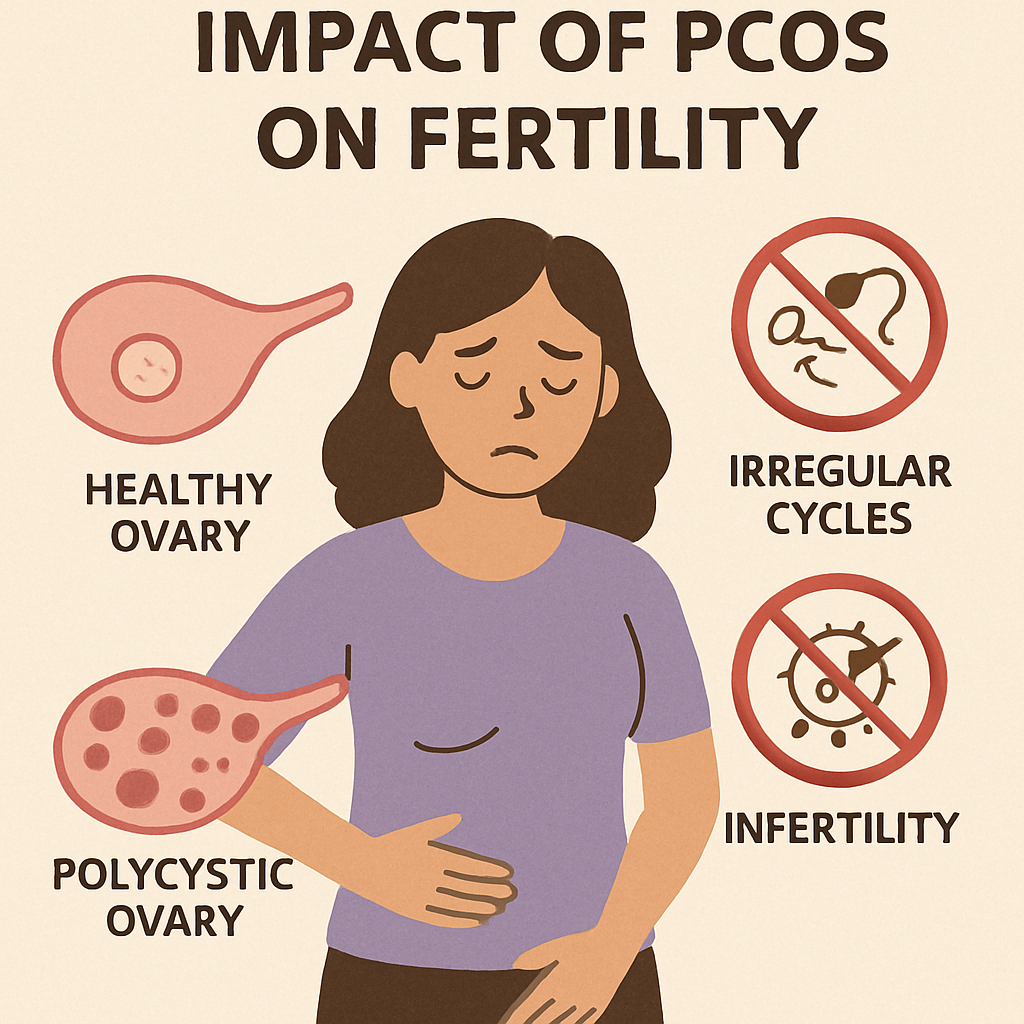
These factors together hinder the regular ovulation process. Moreover, PCOS can also increase the risk of other pregnancy complications. Women with PCOS might face a higher chance of miscarriage.
Understanding these effects empowers women. It helps them take proactive steps towards managing their reproductive health. Knowledge is a powerful tool in overcoming fertility challenges related to PCOS.
PCOS presents a variety of symptoms that vary in intensity. Recognizing these early on can prompt timely medical intervention. Common symptoms often include:
Diagnosis typically involves a comprehensive approach. Doctors rely on a combination of medical history, physical exams, and laboratory tests. Hormone level tests can help pinpoint irregularities.
Imaging tests like ultrasound are also used. They help identify any cysts on the ovaries. Early detection and diagnosis play a crucial role in managing symptoms. They also help reduce the risk of long-term health issues linked to PCOS.
Managing PCOS often involves a multi-faceted approach. This is crucial to improve fertility. Different options work together to enhance outcomes.
Lifestyle changes form the cornerstone of treatment. Diet and exercise help manage weight and improve ovulation. This foundation supports other medical interventions.
Medication is often used alongside lifestyle changes. These include fertility drugs and insulin-sensitizing agents. They help regulate menstrual cycles and boost ovulation.
In some cases, surgical options may be considered. For example, ovarian drilling can trigger ovulation. Consulting a medical professional can help tailor the best treatment strategy.
Fertility drugs can play an essential role in treatment plans. They specifically aim to induce ovulation. This increases chances of conception.
One common drug is Clomiphene Citrate. It is usually the first line of treatment for ovulation induction. Metformin is another option, which improves insulin sensitivity.
Other medications may also be prescribed:
Each drug works differently and has specific benefits. Consulting with a healthcare provider ensures the right choice. These treatments are often most effective when paired with lifestyle modifications.
For some women, ART options are explored. These technologies help when other treatments don't work. In vitro fertilization (IVF) is a common ART method.
IVF involves stimulating ovaries and extracting eggs. These are fertilized outside the body. Options for ART also include:
These methods offer advanced solutions for fertility challenges. They provide options when traditional treatments fall short. Consultation is crucial for selecting an appropriate ART approach.
Lifestyle shifts can significantly impact PCOS management. Small changes in daily habits can lead to big results. Focusing on health is key to improving fertility.
A balanced diet is a strong ally. Include whole grains, lean proteins, and healthy fats. These choices support hormone balance and improve overall well-being.
Regular physical activity is equally important. Exercise helps reduce insulin resistance and promotes ovulation. Strive for a blend of cardio and strength training.
Here are some effective tips for managing PCOS:
By following these tips, individuals with PCOS can enhance fertility prospects. A holistic approach is often the most beneficial.
Pregnancy with PCOS requires careful management. Both mother and baby need extra care. Regular prenatal visits are crucial for monitoring health.
Women with PCOS can reduce risks by:
Following these steps supports a healthy pregnancy journey. Coordination with healthcare providers ensures the best outcomes.
Dealing with PCOS and fertility issues can be emotionally challenging. It's crucial to prioritize mental health and seek support when needed.
Consider these strategies for emotional well-being:
These can provide comfort and encouragement through your fertility journey.
Knowing when to seek medical assistance can improve fertility outcomes. If you experience difficulty conceiving or have irregular cycles, consult a healthcare provider.
Signs to consult a doctor include:
Understanding PCOS and its impact on fertility empowers women to make informed decisions. Proper management and treatment can enhance fertility prospects. Early intervention and ongoing support are crucial for achieving the best outcomes in PCOS and pregnancy. Contact us at OH Women’s Health for fertility support.

Heart health is crucial for overall well-being. Learn how to keep your heart healthy with these simple lifestyle changes, expert tips, and the latest medical advancements.

Dr. Helen Onoriode and her team at O. H. Women’s Health are committed to providing the highest quality healthcare through all phases of a woman’s life. Make an appointment with us today!


