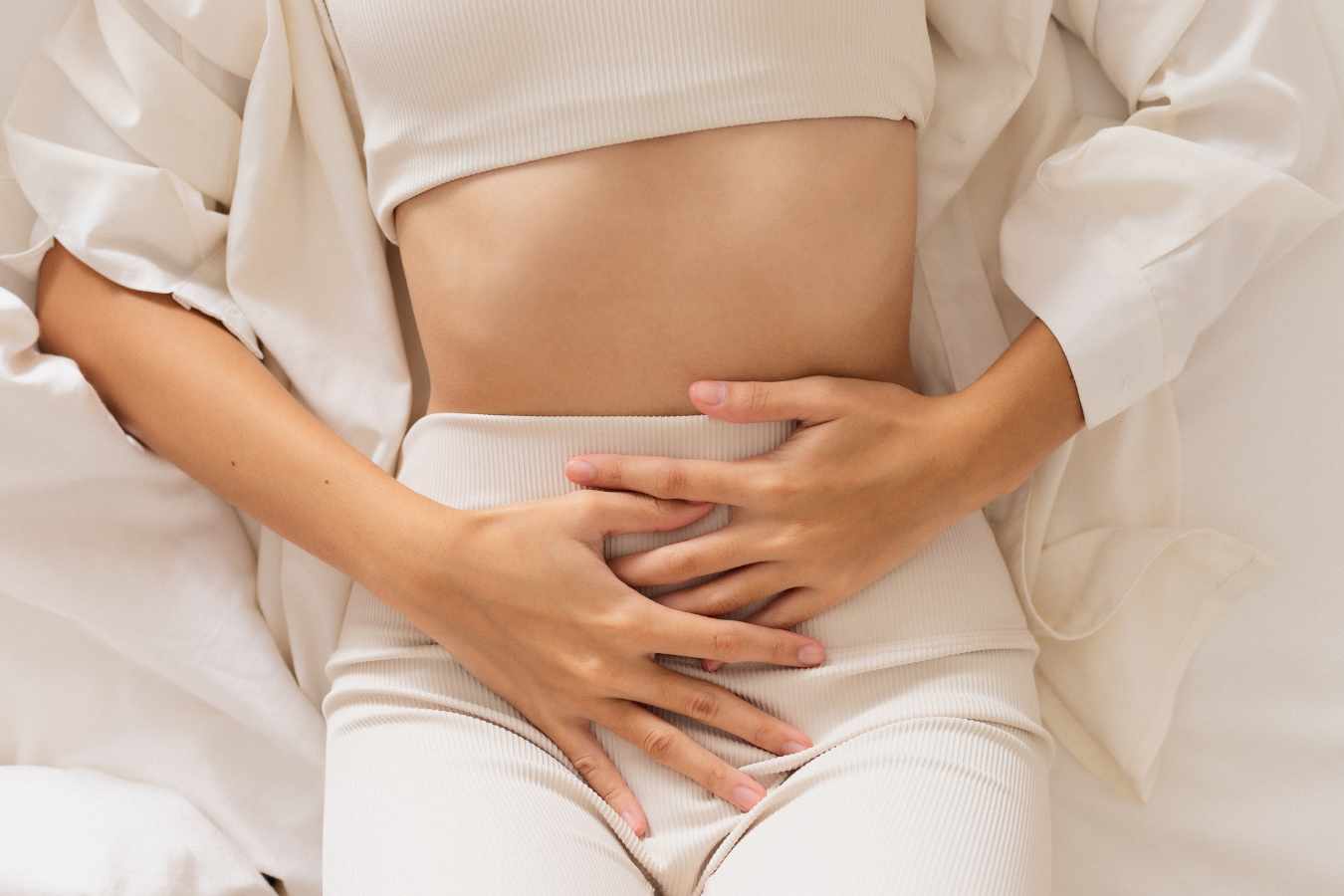
Experiencing sudden pelvic heaviness might cause panic, but an ovarian cyst is usually just a normal ovulation byproduct. According to medical experts, a healthy ovary is roughly the size of an almond, operating like a tiny, highly efficient factory. Each month, it prepares a small, fluid-filled bubble called a follicle to release an egg.
Should this bubble fail to pop, a temporary follicular cyst forms. Much like a minor skin blister, these are typically asymptomatic---meaning they cause absolutely no pain. Patients frequently ask, do ovarian cysts disappear on their own , or can ovarian cysts heal on their own? Fortunately, these functional cysts almost always resolve without treatment. This guide helps you recognize when this harmless routine becomes something requiring medical attention.
Experiencing abdominal bloating and heaviness after a meal is completely normal, but persistent pelvic pressure feels distinctly different. Because your ovaries sit low in your pelvis, a bloating cyst ovary creates a sensation that isn't spread out like typical digestive gas. Instead, this heaviness is usually "unilateral," meaning it focuses its pressure on just one side of your lower belly.
How do u know if you have ovarian cysts rather than routine indigestion? Leading gynecologists suggest watching for these localized pressure signs:
This physical crowding happens because a growing cyst takes up actual room inside your body. You might even feel completely full after eating just a few bites of dinner due to an ovarian cyst and swollen abdomen limiting your internal space. While this heaviness is a common warning sign, the sensations can sometimes escalate.
Wondering exactly what does ovarian cysts pain feel like? The sensation rarely fits a single category. For many, the discomfort begins as a constant, dull ache lingering on one side of the lower abdomen. This heavy, bruised feeling can occasionally transform into sharp pinches when you bend, cough, or twist quickly. These sudden stabs happen because physical movement jostles the fluid-filled sac against surrounding sensitive tissues.
Fluctuating intensity throughout the month is another major hallmark. If you wonder, does ovarian cyst pain come and go, the timeline is deeply tied to your natural hormones. Experiencing pelvic pain during ovulation---medically called Mittelschmerz or "middle pain"---is a crucial diagnostic clue. Because your tiny ovarian factory naturally swells to prep and release an egg mid-cycle, this routine activity adds extra internal tension. Consequently, this baseline pressure makes existing ovarian cysts hurt significantly more during this specific phase.
Over time, this discomfort might refuse to stay confined just to your lower belly. Because pelvic nerves are closely interconnected, pain can "radiate" or travel outward, creeping down your upper thighs. As this internal pressure expands, it frequently impacts more than just your reproductive system.
Assuming a bathroom trip will fix sudden urgency is common, but chronic frequent urination and bladder pressure might not be a simple UTI. Your ovaries sit snugly in a crowded space directly next to your bladder and rectum. When a cyst grows large enough, it acts like a heavy water balloon pressing against these neighboring organs. Because your pelvic nerves share connected communication pathways, this internal crowding sends distress signals outward, triggering this list of secondary symptoms:
Experiencing these bathroom or back issues isn't just a minor annoyance; they are vital clues about a cyst's size that you should explicitly share with your gynecologist. While this structural pressure is usually manageable with professional guidance, sudden or severe shifts in pain require immediate medical evaluation.
Contact OH Women’s Health now to book an appointment with the best female gynecologist in Dallas.
While chronic heaviness warrants a routine doctor's visit, a dramatic shift in discomfort requires urgent attention. Think of a growing cyst like a pressure valve; if it gets too full, it can burst. The signs of a ruptured cyst usually involve a sharp, fast onset of pain as the internal fluid releases. Your body often absorbs this fluid naturally and heals itself, though the initial pop feels incredibly alarming.
Far more dangerous than a simple burst is a surgical emergency called torsion. Imagine your ovary is a lollipop on a stick, which represents its supporting ligament. If a cyst makes the "head" too heavy, it can spin and twist the stick, completely cutting off its own blood supply. This creates intense, sudden pelvic pain that will not ease up with position changes, serving as one of the clearest ovarian torsion emergency signs.
Recognizing the difference between an uncomfortable cramp and a true crisis comes down to the "Triple Threat" of symptoms. Severe agony accompanied by a sudden fever or persistent vomiting are definitive medical emergency signs requiring the emergency room, not a heating pad. Knowing exactly what to watch for gives you power over your health when navigating treatment options.

You no longer have to wonder if that persistent pelvic tugging is normal. When you consult a doctor, the pelvic ultrasound diagnostic process acts as a "gold standard" camera safely looking inside, spotting whether you have a simple fluid bubble or other varieties like dermoids or endometriomas. Don't be alarmed if your physician suggests "watchful waiting." When exploring ovarian cyst treatments, people often ask: do ovarian cysts resolve on their own? Yes---simply monitoring them is frequently the smartest medical choice among all ovarian cyst treatment options.
To help your doctor make a faster diagnosis, start with this simple plan:
By creating this quick symptom diary, you build the confidence needed to step into the doctor's office and clearly advocate for your own body.
Question: Do ovarian cysts go away on their own, and what should I do if I suspect one?
Short answer: Most functional (follicular) cysts form when a follicle doesn’t release an egg and are typically painless and temporary—they often resolve without treatment. If you’re having persistent symptoms, see a doctor. A pelvic ultrasound is the gold standard to confirm what type of cyst you have (for example, a simple fluid bubble versus dermoids or endometriomas). Many cases are managed with “watchful waiting.” To help your clinician, start a quick plan: map your pain, track your cycle, and request an ultrasound if symptoms persist.
Question: How can I tell ovarian-cyst heaviness from normal digestive bloating?
Short answer: Ovarian-cyst pressure tends to be unilateral—focused on one side low in the pelvis—rather than spread out like gas. Clues include clothes feeling tighter in one specific spot below your waistline, a dull weight you notice when sitting down quickly, and localized swelling that doesn’t disappear overnight. You may also feel full after just a few bites because a growing cyst physically takes up space.
Question: What does ovarian cyst pain feel like, and why does it come and go?
Short answer: It often starts as a constant, dull ache on one side of the lower abdomen, with occasional sharp “pinches” during movement (bending, coughing, twisting) as the sac gets jostled. Pain can fluctuate with your cycle—mid-cycle ovulation (Mittelschmerz) naturally adds pressure as the ovary readies an egg, which can intensify existing cyst discomfort. Pain may also radiate down the upper thighs due to interconnected pelvic nerves.
Question: Why might a cyst cause frequent urination or lower back pain?
Short answer: Your ovaries sit next to the bladder and rectum in a crowded pelvic space. A larger cyst can press on these organs like a heavy water balloon, and shared nerve pathways can spread distress signals. Typical secondary symptoms include frequent urination, a persistent dull lower back ache, and painful bowel movements during menstruation—details your gynecologist will want to know because they hint at cyst size and pressure effects.
Question: What symptoms signal an emergency, like a ruptured cyst or ovarian torsion?
Short answer: A ruptured cyst often causes a sharp, sudden pain as fluid releases; your body usually absorbs the fluid, though the initial pain can be intense. More dangerous is ovarian torsion—when a heavy cyst makes the ovary twist on its supporting ligament—causing severe, sudden pain that doesn’t ease with position changes. The “Triple Threat” of severe agony plus a sudden fever or persistent vomiting are clear emergency signs that warrant an ER visit.
Understanding ovarian cyst pain and symptoms is the first step toward protecting your long-term reproductive and hormonal health. Many people search questions like “Do ovarian cysts go away on their own?”, “What does ovarian cyst pain feel like?”, or “When should I worry about an ovarian cyst?”—and the answer depends on your specific symptoms, cycle patterns, and overall health. While most functional cysts are harmless and resolve naturally, ongoing pelvic pain, bloating on one side, frequent urination, or sudden severe discomfort may signal the need for medical evaluation.
At OH Women's Health, patients receive expert, patient-centered care with advanced diagnostics like pelvic ultrasound and individualized treatment plans that may include monitoring, hormonal management, or minimally invasive procedures when necessary. If you’re experiencing symptoms or simply want clarity, scheduling a consultation ensures you get accurate answers, early detection, and peace of mind—because proactive women’s healthcare is essential at every stage of life.

Heart health is crucial for overall well-being. Learn how to keep your heart healthy with these simple lifestyle changes, expert tips, and the latest medical advancements.

Dr. Helen Onoriode and her team at O. H. Women’s Health are committed to providing the highest quality healthcare through all phases of a woman’s life. Make an appointment with us today!