
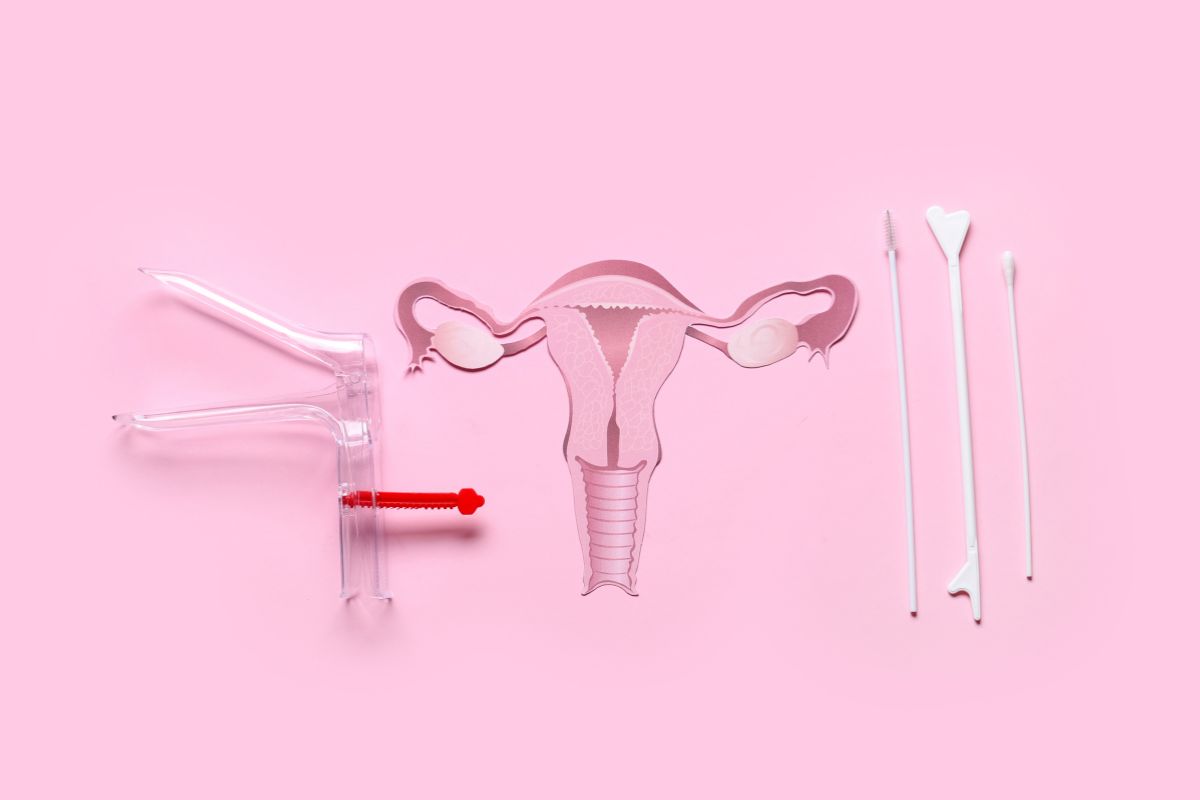
Often, yes, but light bleeding is best. The main concern is not safety. It is whether blood and menstrual tissue could make the cervical cell sample harder for the lab to read. If your flow is heavy, rescheduling often gives you a clearer sample, a more comfortable visit, and a lower chance of needing to repeat the test. (acog.org)
In many cases, yes. If you are asking can you get a pap smear while menstruating, the practical answer depends on how much you are bleeding and what your clinician says. ACOG notes that cervical cancer screening can be done during a menstrual period, but it is often better to book it for another day because blood can hide abnormal cells. Mayo Clinic gives the same advice: try not to schedule a Pap test during your period, even though it can be done then. (acog.org, mayoclinic.org)
This means that a pap smear on period days is not automatically canceled. A provider may still go ahead if your bleeding is almost over, you are only spotting, the visit is hard to move, or there is a medical reason not to wait. Cleveland Clinic notes that some providers do Pap tests near the end of a period when bleeding is light. (my.clevelandclinic.org)
Menstrual flow matters because a Pap smear depends on getting enough readable cells from the cervix. If blood, mucus, or shed uterine lining gets in the sample, the lab may have a harder time seeing the cervical cells clearly. ACOG says blood or infection can hide abnormal cells, which is why timing can affect how useful the sample is. (acog.org)
The difference between light spotting and heavy bleeding is important. CDC guidance says liquid-based cytology can be done at any time during the menstrual cycle, while conventional cytology is best scheduled 10 to 20 days after the first day of menses. (cdc.gov)
A heavier flow is more likely to create a poor or unclear result. That does not mean something is wrong. It only means the sample may not have been readable enough to answer the screening question. The bad part is that you may need another visit, another speculum exam, and more waiting.
A simple way to think about it:
A Pap smear and menstruation can feel awkward to talk about, but clinics handle periods all the time. Menstrual blood alone is not a reason to feel embarrassed, and it does not mean you are not ready for care. The real question is whether the test will be useful and whether you feel okay about going ahead.
Some people do feel more sensitive during their period. Cramps, bloating, pelvic tenderness, or worry about bleeding on the exam table can make the visit harder than it would be mid-cycle. A Pap test is usually brief, and Mayo Clinic notes that you can usually go about your day afterward, but comfort still matters. (mayoclinic.org)
If you keep the appointment, tell the medical assistant or clinician that you are bleeding before the exam starts. You can ask whether they expect the sample to be readable, whether the flow looks too heavy once the exam begins, and if rescheduling would be better. This is not being difficult. It helps the provider get the best sample.
For the clearest and most comfortable Pap test, pick a time when you are not bleeding. CDC says conventional cytology is ideally scheduled 10 to 20 days after the first day of menses, and Harvard Health describes the middle of the cycle as a good time when you can plan it. MedlinePlus suggests about five days after the last day of your period. (cdc.gov, medlineplus.gov)
That usually means choosing a date after your period is fully over but before the next one is close. You do not need to map it perfectly. If your periods are irregular, just avoid the days when you are most likely to have heavy bleeding.
Before the test, avoid sex, douching, vaginal medicine, and spermicidal foams, creams, or jellies for two days before the visit because they can affect the sample. If you use a prescribed vaginal medicine, ask your clinician before stopping it.
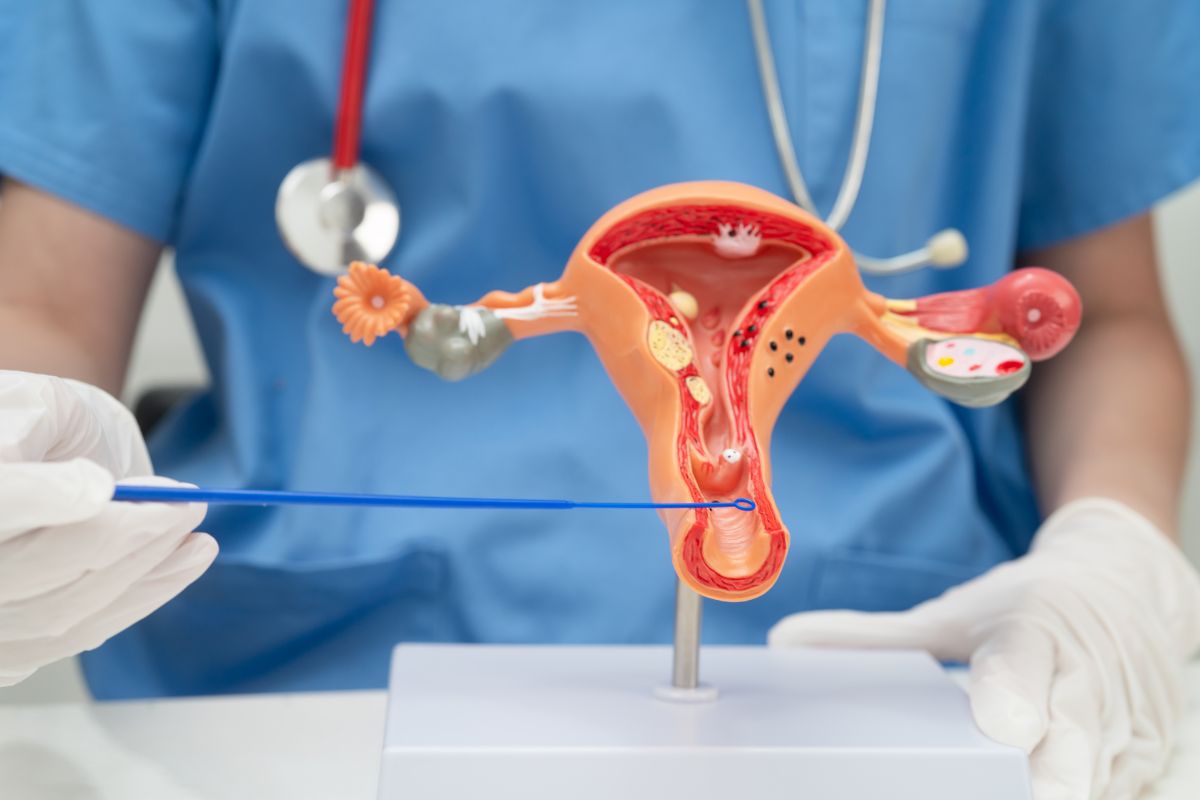
If your period starts early, do not panic and do not skip the visit right away. Call the office as soon as you can and explain what is happening. The staff may tell you to come in, move the appointment by a few days, or ask the clinician for advice.
When you call, be clear:
If you are wondering whether you can get a pap while on your period or can you get a pap on your period, the scheduler may not make the final call. But they can usually tell you the clinic's rule. If it is still unclear, ask for a nurse or clinician to review it.
Rescheduling is often wise when bleeding is heavy, you are passing clots, you are very crampy, or you feel too tense to relax. It may also be the better choice if your last Pap was unclear and your clinician wants the best possible sample this time. The goal is not to delay screening. It is to avoid a poor sample that sends you back again.
You should also call your healthcare provider if your bleeding pattern is not normal for you. Very heavy bleeding, bleeding between periods, bleeding after sex, or bleeding after menopause should be discussed rather than treated as a simple scheduling issue. ACOG says you should get care for heavy bleeding patterns and notes that lightheadedness, shortness of breath, chest pain, or soaking pads or tampons every hour for more than two hours require prompt medical attention. (acog.org)
If the Pap is part of follow-up after an abnormal result, do not reschedule again and again without checking in. Your clinician can tell you if a short delay is fine or if they want you seen sooner.
There are times when keeping the visit is reasonable. If you only have brown spotting, your period is ending, or another opening would take a long time to get, your provider may decide that doing the test is better than waiting. This is even more true if the office uses liquid-based testing and the clinician thinks the sample will be good enough. (cdc.gov)
The question is less about yes or no and more about whether today's bleeding is light enough for a useful result. That shifts the decision from worry to sample quality, comfort, and medical need.
Use this checklist before you head to the clinic:
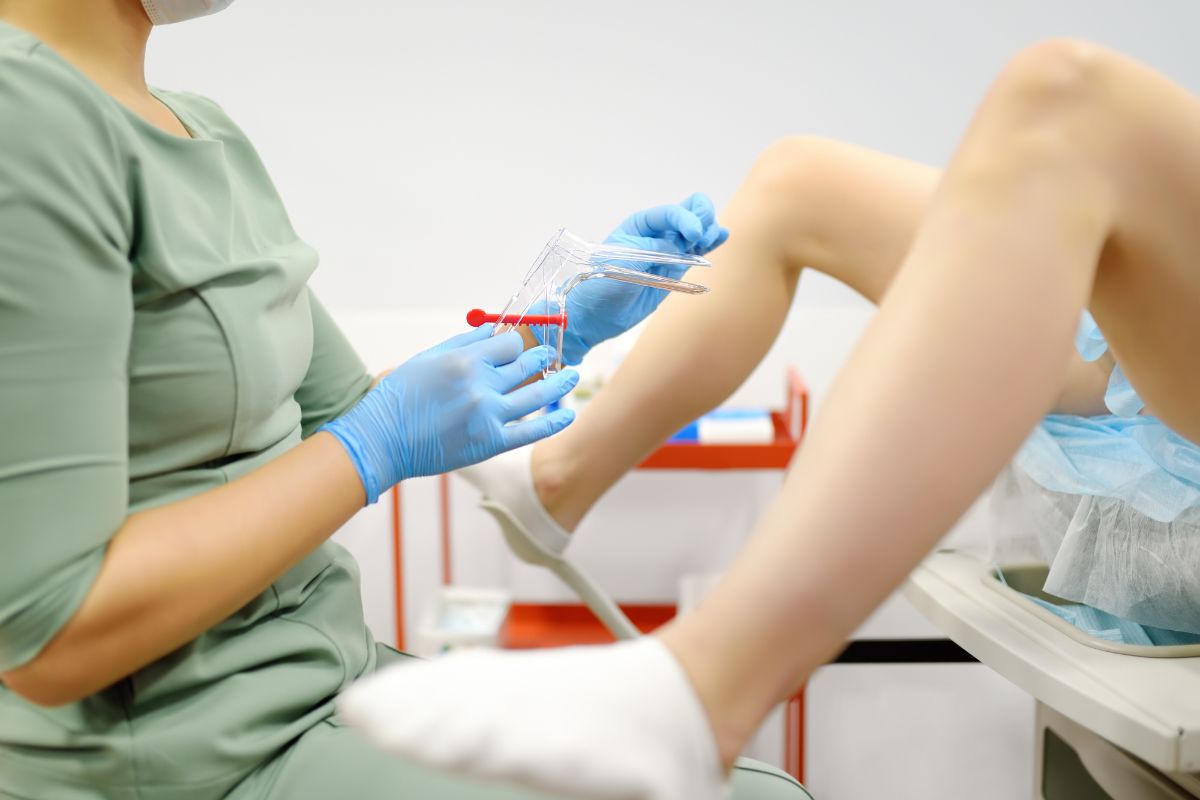
So, can you get a pap smear on your period? Often, yes, especially with light bleeding, but it is usually better to book it when you are not menstruating. If you are asking whether you can do a pap smear on your period because your visit is tomorrow, call the office, describe your flow, and ask what they suggest.
A Pap smear is meant to give you useful information, not add stress. The best plan balances clear results, your comfort, and timely cervical cancer screening. If your period gets in the way, a short delay is usually a practical fix, but make sure the new appointment is really on the calendar.
A Pap smear can be done during your period, but scheduling it when you are not bleeding is generally preferred. Call your Dallas provider before canceling, describe your flow, and ask whether to keep the appointment or move it to another day. Schedule your Pap Smear apointment in Dallas here!
Yes. Blood can hide cervical cells and make the sample harder to interpret. If the result is unclear, your clinician may recommend repeating the Pap test. An unclear sample does not automatically mean you have abnormal cells or cervical cancer.
Follow your provider’s instructions. You may be asked to avoid vaginal intercourse, douching, vaginal medicines, and spermicidal products for two days before the test. Ask your clinician before stopping any prescribed treatment, and try to schedule your visit when your period is over.

Heart health is crucial for overall well-being. Learn how to keep your heart healthy with these simple lifestyle changes, expert tips, and the latest medical advancements.

Dr. Helen Onoriode and her team at O. H. Women’s Health are committed to providing the highest quality healthcare through all phases of a woman’s life. Make an appointment with us today!


